
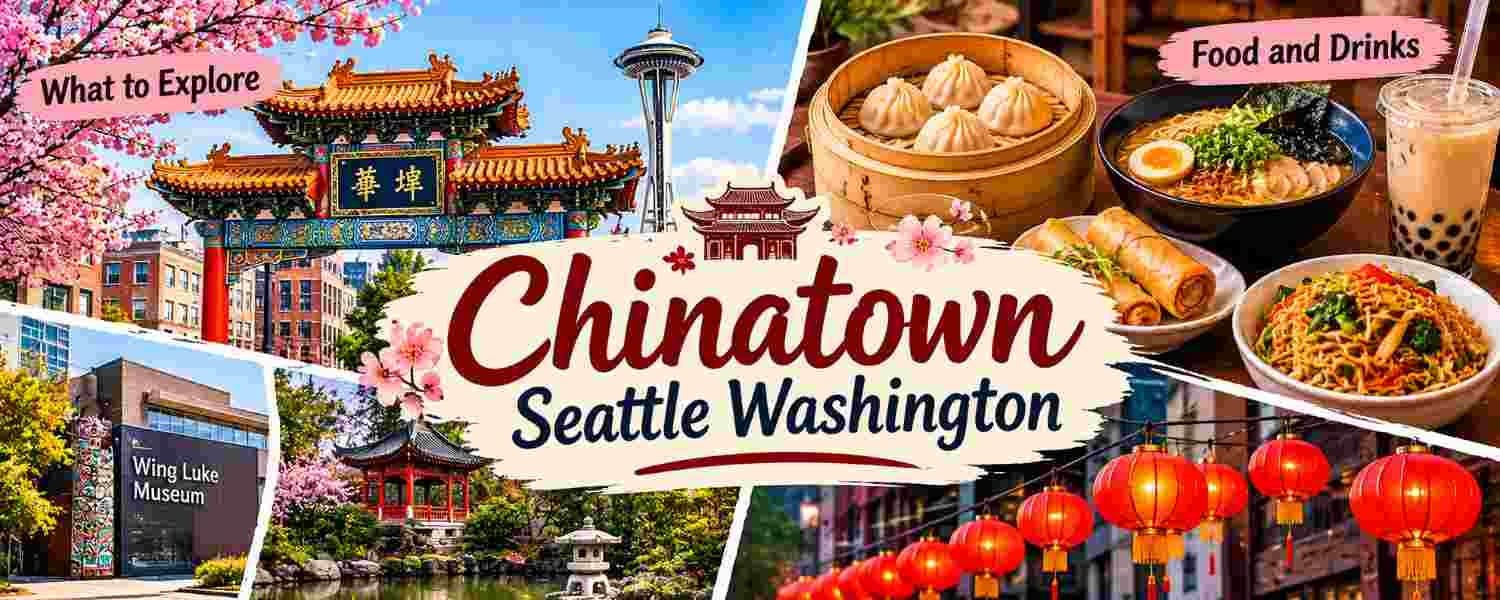
Chinatown Seattle Washington: A Complete Guide to History, Food, Shopping, Culture, and Things to Do
Chinatown Seattle, Washington, also part of the Chinatown-International District (CID), is one of the most culturally rich and historic neighborhoods in Seattle. It is a popular place for visitors who want to explore Asian culture, enjoy traditional food, discover local shops, and learn about the city’s history.
The neighborhood brings together Chinese, Japanese, Filipino, Vietnamese, and other Asian communities, making it an important part of Seattle’s cultural identity.
This guide covers the main attractions, food, shopping, history, nearby neighborhoods, and useful visitor information.
1. Where Is Chinatown Seattle Washington?
Chinatown Seattle is located in the southern part of downtown Seattle, Washington. It is part of the larger Chinatown-International District, which is commonly called the CID. The neighborhood is close to Pioneer Square, downtown Seattle, and several major transportation connections.
The district is not limited to Chinese culture. It includes three important historic communities: Chinatown, Japantown, and Little Saigon. Each area has its own cultural background, restaurants, businesses, and community traditions. Together, they create a welcoming place where visitors can experience different Asian cultures within a relatively small area.
Quick Visitor Information
| Detail | Information |
| Location | Seattle, Washington, USA |
| Main district | Chinatown-International District |
| Main communities | Chinese, Japanese, Vietnamese, Filipino, and others |
| Best transport | Link light rail, bus, walking |
| Main attraction | Wing Luke Museum |
| Shopping highlight | Uwajimaya |
| Cultural highlight | Lunar New Year |
| Suggested visit | Half a day to one full day |
| Best for | Food, history, culture, and shopping |
Opening times, event schedules, and transport details should be confirmed before travelling.
2. What to Explore in Chinatown Seattle Washington
Chinatown Seattle offers more than restaurants and shopping streets. It has museums, historic buildings, parks, traditional markets, public art, and cultural spaces. Visitors can spend a few hours exploring the main attractions or enjoy a full day discovering the neighborhood.
i. Wing Luke Museum
The Wing Luke Museum is one of the most important cultural attractions in Chinatown-International District. It focuses on the experiences, contributions, and stories of Asian Americans, Native Hawaiians, and Pacific Islanders.
The museum is located inside the historic East Kong Yick Building. Visitors can explore exhibitions about immigration, family life, community development, discrimination, art, and Asian American identity.
ii. Hing Hay Park
Hing Hay Park is a popular public gathering place in the Chinatown area. Its name is commonly translated as Celebrate Happiness. The park is recognized for its traditional Chinese-style pavilion, open seating areas, and community atmosphere.
Visitors can relax, take photographs, watch local activities, or enjoy a short break while exploring nearby streets. The park also hosts community events, cultural performances, outdoor activities, and celebrations throughout the year.
iii. Historic Chinatown Gate
The Historic Chinatown Gate is one of the most recognizable landmarks in the neighborhood. This traditional Chinese-style entrance marks an important gateway to Chinatown-International District.
Its colorful design, decorative details, and traditional architectural appearance make it a favorite location for photographs. It also represents the cultural identity and history of the Chinese community in Seattle.
The gate is an excellent starting point for a walking tour. Visitors can begin here and explore nearby restaurants, markets, cultural attractions, and historic streets.
iv. Panama Hotel and Tea House
The Panama Hotel is an important historic building in Seattle’s former Japantown. It is especially significant because of its connection to Japanese American history during World War II.
The building contains a preserved Japanese bathhouse, which provides a glimpse into the everyday life of the Japanese community before the forced removal and incarceration of Japanese Americans during the war.
v. Kobe Terrace Park
Kobe Terrace Park is a peaceful green space in the historic Japantown area. It celebrates the relationship between Seattle and its sister city, Kobe, Japan.
The park features Japanese-inspired landscaping, a stone lantern, and beautiful views of the surrounding neighbourhood.
It is a good place to take photographs, enjoy some quiet time, and experience another part of the International District’s cultural identity.
vi. Seattle Pinball Museum
For visitors looking for something different, the Seattle Pinball Museum offers an entertaining indoor experience. It features a collection of vintage pinball machines that visitors can play.
Unlike traditional museums where visitors mainly observe objects, this attraction allows people to interact with the machines. It is a fun activity for adults, teenagers, families, and anyone interested in retro games.
vii. Chinatown Historic District
Walking through the historic streets is one of the best ways to understand Chinatown Seattle. Many buildings reflect the commercial and cultural development of the early Asian American community.
You can notice traditional signs, historic storefronts, community organizations, family businesses, and restaurants that have served generations of residents.
- Practical Tips for Visiting Chinatown Seattle
- Allow Enough Time: Spend at least two to three hours exploring the main attractions, restaurants, and shops.
- Wear Comfortable Shoes: Walking is the best way to discover the neighborhood.
- Explore Nearby Areas: Visit Japantown and Little Saigon to experience different Asian cultures.
- Check Opening Hours: Confirm restaurant, museum, and shop timings before visiting.
- Respect the Community: Support local businesses, respect residents, and explore the neighborhood responsibly.
3. Food and Drinks in Chinatown Seattle Washington
Food is one of the biggest reasons people visit Chinatown Seattle. The neighbourhood offers a wide variety of Asian cuisines, including Chinese, Japanese, Vietnamese, Filipino, and other regional food traditions.
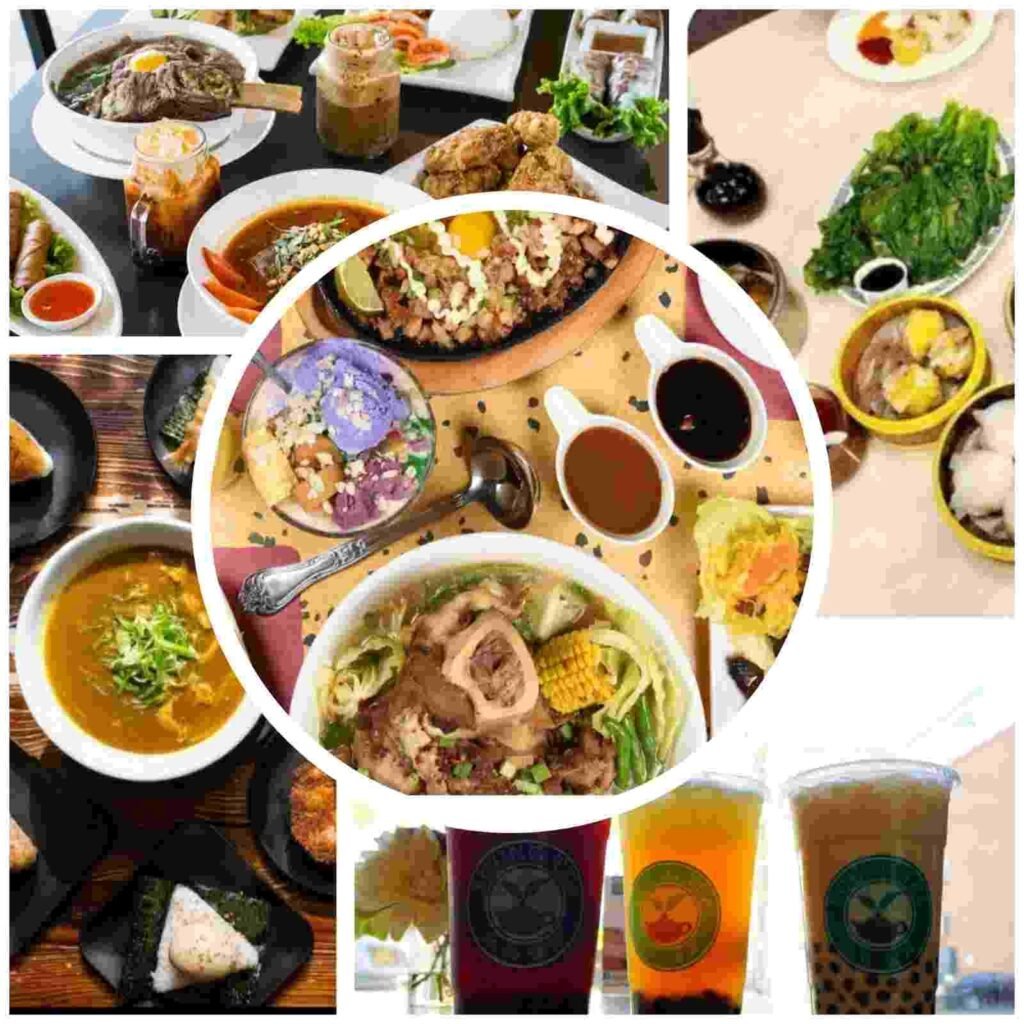
i. Chinese Restaurants and Traditional Dishes
Chinese restaurants are an important part of the neighborhood’s identity. Many visitors come specifically to enjoy authentic Chinese food and traditional cooking styles.
One popular option is Jade Garden Restaurant, which is known for Hong Kong-style Cantonese food and dim sum. Visitors can enjoy steamed dumplings, buns, rice dishes, and other traditional favorites.
Another option is Chengdu Taste Seattle. It offers Sichuan-style food known for bold flavors, chili heat, and the distinctive numbing sensation of Sichuan peppercorns.
Other dishes worth exploring include:
- Dim sum: Small steamed, fried, or baked dishes often shared with family and friends.
- Roasted duck: A traditional Chinese dish with crispy skin and tender meat.
- Dumplings: Small dough parcels filled with vegetables, meat, or other ingredients.
- Wonton soup: A comforting soup containing delicate dumplings.
- Chow mein: Stir-fried noodles served with vegetables and different proteins.
- Congee: A soft rice porridge often served with savory toppings.
- Hot pot: A shared meal in which ingredients are cooked in a simmering pot of broth.
ii. Japanese Food
Japantown adds another important food tradition to the district. Japanese restaurants and food businesses offer visitors opportunities to enjoy sushi, ramen, rice bowls, Japanese snacks, and other familiar dishes.
Ramen is a popular choice, especially during colder weather. It usually includes noodles served in a flavorful broth with toppings such as vegetables, eggs, meat, and seaweed.
Visitors can also explore Japanese sweets, packaged snacks, green tea, and ready-to-eat meals at local shops.
iii. Vietnamese Food and Coffee
Little Saigon brings Vietnamese food culture into the wider International District. It is a great area to explore if you enjoy noodle soups, sandwiches, fresh herbs, and coffee.
Some popular Vietnamese dishes to look for include pho, a noodle soup served with herbs and other toppings; banh mi, a Vietnamese sandwich; and fresh spring rolls filled with vegetables, herbs, and other ingredients.
iv. Filipino Food and Desserts
Filipino cuisine is another important part of Seattle’s Asian food scene. Visitors can explore dishes such as adobo, sisig, fried chicken, rice meals, and traditional desserts.
For Filipino-inspired food and baked goods, Hood Famous Bakeshop is worth exploring. Its popular treats include ube cheesecake, calamansi bars, and other Filipino-inspired desserts.
v. Bubble Tea and Traditional Tea
Bubble tea is a favorite drink among locals and visitors. It comes in different flavors, including milk tea, fruit tea, matcha, and taro. Many versions include tapioca pearls or other toppings.
Visitors interested in traditional tea can also explore New Century Tea Gallery. It offers a more specialized tea experience, including Chinese and Taiwanese varieties.
For another casual drink stop, Seattle Best Tea is known for Taiwanese-style tea and bubble tea.
4. Shopping in Chinatown Seattle Washington
Shopping in Chinatown Seattle is different from visiting a typical shopping mall. The neighbourhood offers a combination of Asian supermarkets, independent boutiques, traditional markets, bookshops, gift shops, and specialty stores.
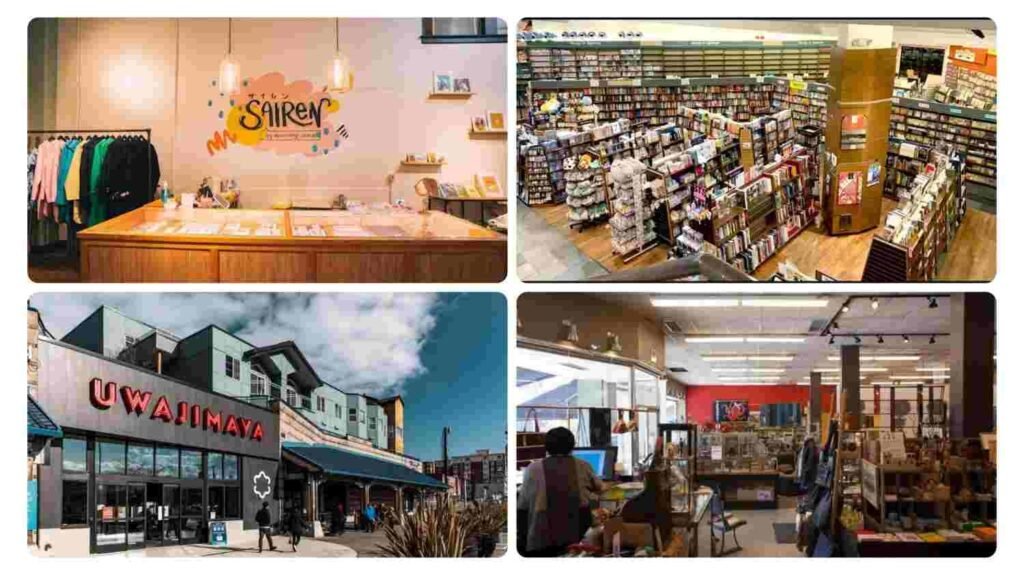
i. Uwajimaya Seattle
Uwajimaya is one of the best-known shopping destinations in Chinatown-International District. It is a large Asian supermarket offering products from Japan and many other Asian countries.
The store has a wide selection of groceries, fresh produce, seafood, noodles, sauces, packaged snacks, frozen foods, cooking ingredients, and household products.
The shopping complex includes other businesses, including Kinokuniya Bookstore and food options.
ii. Kinokuniya Bookstore
Kinokuniya is a Japanese bookstore located inside Uwajimaya Village. It is an interesting destination for people who enjoy reading, stationery, Japanese culture, and popular Asian entertainment.
The store offers books, manga, magazines, art books, stationery, and other products. Visitors can explore Japanese publications as well as English-language books and popular international titles.
It is particularly appealing to readers, students, artists, and people interested in Japanese pop culture.
iii. KOBO Shop and Gallery
KOBO Shop and Gallery is a distinctive shopping destination in the historic Japantown area. It brings together art, design, handmade products, and cultural objects.
Visitors can discover ceramics, home accessories, jewelry, artwork, and gifts created by independent artists and designers.
The shop is also connected to the history of the former Higo Variety Store, making it an interesting stop for people who appreciate both shopping and local heritage.
iv. Sairen
Sairen is an independent boutique offering carefully selected products from Asian American and other creative designers.
Its collection includes accessories, stationery, jewelry, clothing, art, and thoughtful gift items. The shop is a good choice for people who prefer unique products rather than ordinary souvenirs.
v. Asian Grocery and Specialty Markets
Apart from supermarkets, the International District has smaller grocery stores and specialty markets. These shops offer ingredients and products used in different Asian cuisines.
You may find rice, noodles, spices, sauces, dried seafood, fresh vegetables, frozen food, snacks, sweets, and imported drinks.
What Can You Buy in Chinatown Seattle?
| Shopping category | Popular products |
| Asian groceries | Rice, noodles, spices, sauces |
| Japanese products | Snacks, sweets, stationery |
| Chinese products | Tea, cooking ingredients, traditional goods |
| Books | Manga, novels, magazines |
| Gifts | Handmade accessories and artwork |
| Home items | Ceramics and decorative products |
| Beauty products | Asian skincare and personal care items |
| Snacks | Imported sweets, biscuits, and drinks |
5. Neighborhoods Around Chinatown Seattle Washington
One of the most interesting features of the Chinatown-International District is its multicultural character. It is made up of several connected areas, each with its own history and identity.
Understanding these neighborhoods helps visitors explore more than just Chinatown’s main streets.
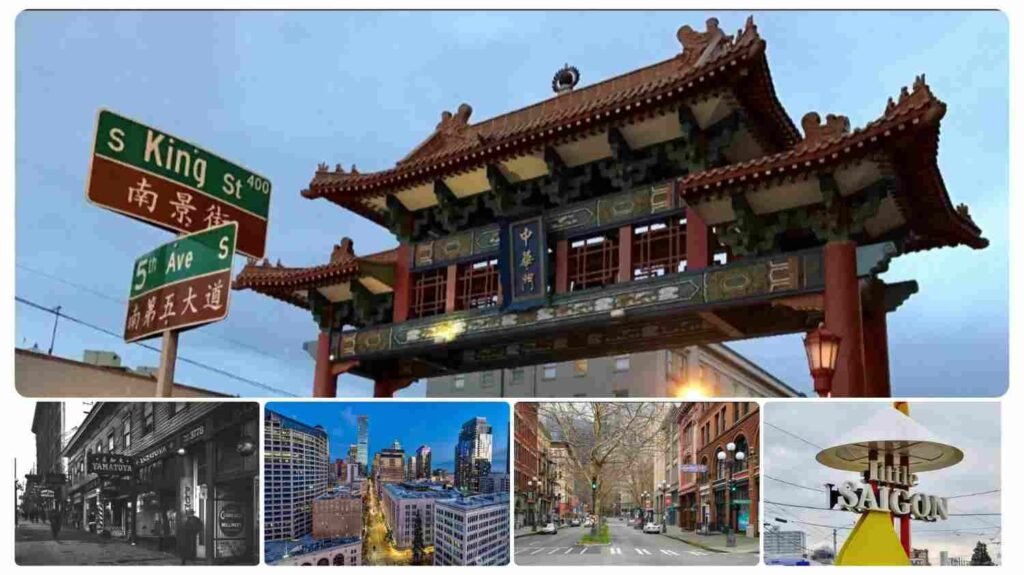
i. Chinatown
Chinatown is the historic Chinese American centre of the district. It developed through the efforts of Chinese immigrants who established restaurants, grocery stores, hotels, businesses, family associations, and community organizations.
Today, it remains an important destination for Chinese food, traditional businesses, cultural events, and historic architecture.
King Street and the surrounding blocks are useful starting points for exploring this part of the neighbourhood.
ii. Japantown (Nihonmachi)
Japantown, historically known as Nihonmachi, was developed by Japanese immigrants and Japanese Americans.
The area once had Japanese restaurants, hotels, bathhouses, grocery stores, language schools, and other community businesses.
Today, historic locations such as the Panama Hotel and cultural spaces help preserve its history.
iii. Little Saigon
Little Saigon is the Vietnamese American centre of the wider International District. It is known for Vietnamese restaurants, grocery stores, bakeries, markets, and community businesses.
The neighbourhood is particularly interesting for visitors who want to explore Vietnamese food and culture.
It also represents the experiences of Vietnamese immigrants and their families who built new lives in Seattle.
iv. Pioneer Square
Pioneer Square is located near Chinatown-International District and is one of Seattle’s oldest historic neighborhoods.
It is known for its brick buildings, art galleries, historic architecture, and underground history tours. Visitors can easily combine a trip to Pioneer Square with a visit to Chinatown.
v. Downtown Seattle
Downtown Seattle is another nearby area offering shopping, hotels, restaurants, entertainment, and major tourist attractions.
Visitors staying downtown can often reach Chinatown using public transportation or by walking, depending on their starting point.
Neighbourhood Comparison
| Neighbourhood | Main cultural identity | What to explore |
| Chinatown | Chinese American | Chinese food, shops, historic buildings |
| Japantown | Japanese American | Japanese heritage, Panama Hotel |
| Little Saigon | Vietnamese American | Vietnamese food and markets |
| Pioneer Square | Early Seattle history | Historic buildings and galleries |
| Downtown Seattle | Commercial city centre | Shopping, hotels, and attractions |
6. CID Visioning Advisory Group
The Chinatown-International District (CID) Visioning Advisory Group is a community-led initiative that helps shape the neighborhood’s future. It brings together local organizations, businesses, and cultural groups to protect the area’s history, culture, housing, safety, and local economy.
The group supports community participation, ensuring that residents and local businesses have a voice in future development decisions. Its six main priorities are community safety and health, business and economic strength, history and culture, housing, transportation and mobility, and community self-determination.
7. Events and Cultural Celebrations in Chinatown Seattle
Chinatown-International District is known for its cultural celebrations, community gatherings, and seasonal events. These activities provide visitors with opportunities to experience traditional customs, music, food, and performances.
i. Lunar New Year Celebration
Lunar New Year is one of the most important celebrations in the neighbourhood. It marks the beginning of a new year according to traditional lunar calendars and is celebrated by many Asian communities.
The celebrations may include lion dances, traditional music, cultural performances, decorations, food, and family activities. Streets and public spaces become lively with visitors and residents enjoying the festivities.
ii. Dragon and Lion Dance Performances
Lion and dragon dances are popular parts of Asian cultural celebrations. These colorful performances are often associated with good luck, happiness, and prosperity.
Visitors may see performances during Lunar New Year and other community festivals. The combination of traditional costumes, drums, and energetic movements makes these events particularly interesting.
iii. Community Festivals and Outdoor Activities
Hing Hay Park and other public spaces provide opportunities for community activities throughout the year.
Events may include outdoor entertainment, cultural performances, music, food celebrations, and activities for families. Some programs are seasonal, so visitors should check local event announcements before planning their trips.
iv. Cultural Workshops and Museum Activities
The Wing Luke Museum and other community organizations offer educational activities and cultural programs. These may include exhibitions, discussions, workshops, guided experiences, and activities related to Asian American history and art.
These programs help visitors understand the neighbourhood beyond its restaurants and shopping streets.
8. Transportation and How to Reach Chinatown Seattle
Chinatown Seattle is easy to reach through several transportation options. It is well connected to downtown Seattle and nearby neighborhoods.
i. By Light Rail: The International District/Chinatown Station provides easy access through Seattle’s Link light rail system.
ii. By Bus: Local buses connect Chinatown with downtown Seattle and other parts of the city.
iii. By Car: Visitors can drive through downtown Seattle and use nearby paid parking facilities.
iv. By Walking: Walking is a great way to explore Chinatown, Japantown, and Little Saigon, as many attractions are close to each other.
v. By Train: King Street Station is nearby and offers regional and long-distance train connections.
9. Best Time to Visit Chinatown Seattle Washington
Chinatown Seattle can be visited throughout the year, but each season offers a different experience.
i. Spring (March–May): Mild weather makes it a good time for walking, photography, and exploring historic streets.
ii. Summer (June–August): Longer days and pleasant weather are ideal for sightseeing, outdoor events, and exploring nearby attractions.
iii. Autumn (September–November): Cooler weather makes it a comfortable season for visiting museums, restaurants, and local shops.
iv. Winter (December–February): Enjoy warm Asian meals, traditional tea, and indoor attractions. Winter is also a good time to experience Lunar New Year celebrations.
Reviews about Chinatown Seattle Washington
1. “Chinatown Seattle is a wonderful place to explore Asian culture, enjoy delicious food, and discover the history of different communities.” — Emily Carter
2. “I loved walking through the historic streets, visiting local shops, and trying traditional Chinese food. The neighborhood has a unique atmosphere.” — James Wilson
3. “Uwajimaya was my favorite stop. I enjoyed exploring the Asian groceries, interesting snacks, and nearby bookstores.” — Sophia Martinez
4. “What makes Chinatown Seattle special is its cultural diversity. Every street offers something interesting, from historic buildings to local restaurants and friendly businesses.” — Daniel Brooks
FAQs
1. Where is Chinatown Seattle Washington located?
Chinatown Seattle is located in the southern part of downtown Seattle, Washington. It is part of the larger Chinatown-International District, which includes Chinatown, Japantown, and Little Saigon. The neighborhood is close to Pioneer Square and downtown Seattle.
2. Is Chinatown Seattle worth visiting?
Yes, Chinatown Seattle is worth visiting, especially if you enjoy Asian food, cultural attractions, shopping, and history. Visitors can explore the Wing Luke Museum, Chinatown Gate, Hing Hay Park, Uwajimaya, and many traditional restaurants.
3. What is Chinatown Seattle famous for?
Chinatown Seattle is famous for its Asian American cultural heritage, traditional Chinese restaurants, historic buildings, Asian grocery stores, cultural celebrations, and diverse communities. It is also known for its connections to Japanese and Vietnamese history.
4. What are the best things to do in Chinatown Seattle?
Some of the best things to do include visiting the Wing Luke Museum, exploring Hing Hay Park, taking photographs at Chinatown Gate, shopping at Uwajimaya, visiting Kinokuniya Bookstore, enjoying Asian food, and discovering historic Japantown.
5. What food should I try in Chinatown Seattle?
Visitors should consider trying Chinese dim sum, dumplings, roasted duck, noodles, Japanese ramen, Vietnamese pho, banh mi, Filipino-inspired desserts, and bubble tea. The neighborhood offers many choices for people interested in Asian cuisine.
6. Is Chinatown Seattle the same as the International District?
Not exactly. Chinatown is one part of the larger Chinatown-International District. The wider district also includes historic Japantown and Little Saigon. Together, these neighborhoods represent several important Asian American communities in Seattle.
7. How much time should I spend in Chinatown Seattle?
A two-to-three-hour visit may be enough for a quick exploration. However, spending half a day or a full day is a better choice if you want to visit museums, enjoy different restaurants, explore shops, and learn about the neighborhood’s history.
8. What is the best time to visit Chinatown Seattle?
Chinatown Seattle can be visited throughout the year. Summer is suitable for walking and outdoor activities, while winter offers opportunities to enjoy warm Asian meals and indoor attractions. Visitors interested in cultural celebrations may prefer planning their trip around Lunar New Year.
Conclusion
Chinatown Seattle, Washington is a culturally rich neighbourhood known for its Asian heritage, historic landmarks, traditional food, and local shopping. From the Wing Luke Museum to Japantown and Little Saigon, visitors can discover the history and traditions of diverse Asian communities.
Planning a Seattle trip? Add Chinatown-International District to your itinerary, explore its historic streets, enjoy authentic Asian food, and support its local businesses. Start planning your visit today!