Mount Rainier National Park Seattle Washington
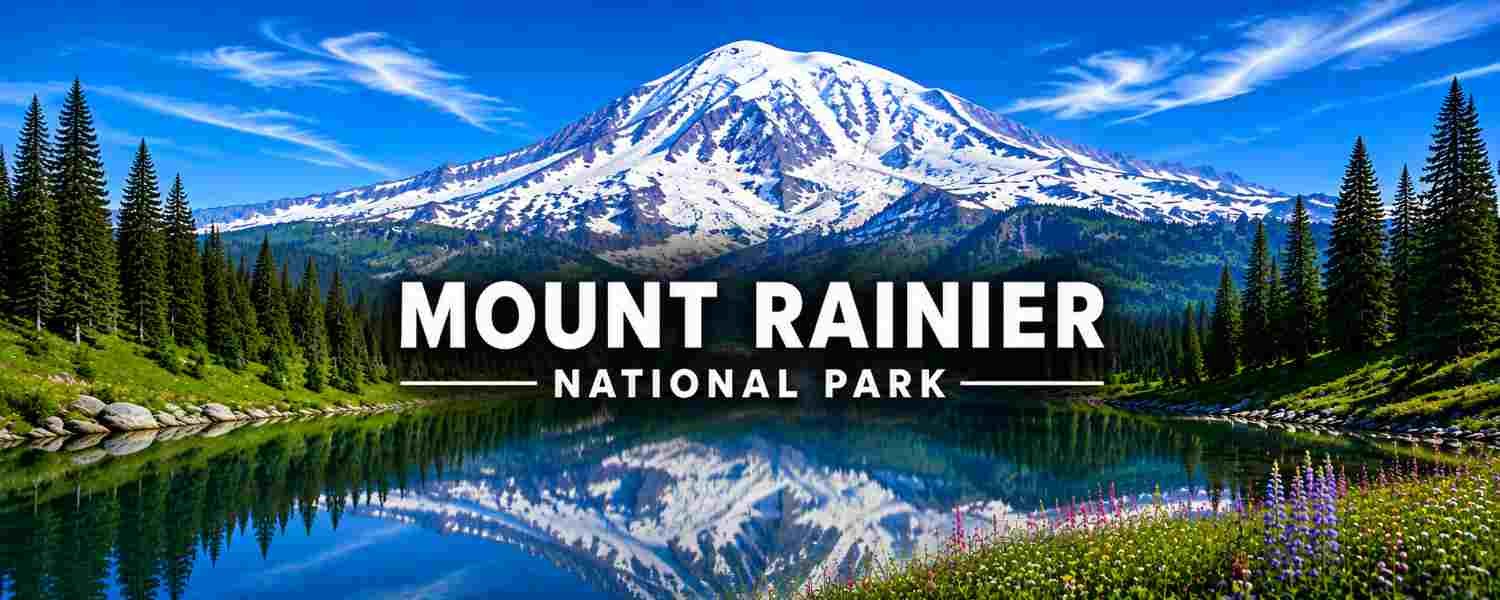
Mount Rainier National Park is about a 2-hour drive from Seattle and has been a national park since 1899. It covers roughly 236,381 acres, with Mount Rainier as its major peak, rising to 14,410 feet. Visitors come for wildflowers, glaciers, forests, waterfalls, scenic drives, hiking, wildlife, photography, and mountain views.
For many travelers, Mount Rainier is one of the best day trips from Seattle, but the park is large enough for a longer visit. Paradise, Sunrise, Longmire, Ohanapecosh, and the Carbon River–Mowich Lake areas each offer a different experience. Because roads, weather, fires, and facilities can change quickly, checking current conditions before leaving is an important part of planning a Mount Rainier National Park trip.
| Feature | Mount Rainier National Park |
| Location | West-central Washington |
| From Seattle | About 2 hours by car, depending on destination and traffic |
| Established | March 2, 1899 |
| Park area | About 236,381 acres |
| Major peak | Mount Rainier |
| Elevation | 14,410 feet |
| Main visitor areas | Paradise, Longmire, Sunrise, Ohanapecosh, Carbon River–Mowich Lake |
| Best known for | Wildflowers, glaciers, hiking, forests and mountain views |
| Open | Park is open 24 hours a day, year-round, but many roads and facilities are seasonal. |
2026 Important Update:
The Grand Park 2 Fire in the northeast part of Mount Rainier National Park has affected access around Sunrise and White River. Conditions and closures can change, so visitors should check the latest NPS alerts before traveling to the Sunrise side. Recent reports indicate that Sunrise and White River access remained affected in mid-August.
1. Where Is Mount Rainier National Park Seattle Washington?
Mount Rainier National Park is in west-central Washington State, in the Cascade Range. Seattle, Tacoma, Yakima, and Portland are among the larger cities within driving distance. The park has several entrances, so the best entrance depends on what you want to see.
The Nisqually Entrance in the southwest is one of the most popular ways to reach Longmire and Paradise. The White River Entrance provides access toward Sunrise, while the Stevens Canyon and Ohanapecosh area connects with the southeast side. The Carbon River and Mowich Lake area provides access to the northwest part of the park.
Driving inside the park can take longer than expected because roads are winding, mountain weather can change quickly, and summer traffic can be heavy. The park advises visitors to check road conditions rather than relying only on GPS.
2. Mount Rainier National Park Regions
i. Paradise
Paradise is probably the most famous visitor area at Mount Rainier. It is located on the south side of the mountain at about 5,400 feet and is known for spectacular mountain views and colorful subalpine meadows. The Henry M. Jackson Memorial Visitor Center is located here.
Paradise is particularly beautiful during the wildflower season, but it is also one of the busiest places in the park. The area receives enormous amounts of snow, averaging about 640 inches a year, and remains an important winter recreation destination.
ii. Longmire
Longmire is a good place to begin a Mount Rainier visit, especially for travelers entering from the southwest. It has historic buildings, the Longmire Museum, the National Park Inn, a general store, and several nearby trails.
Longmire is also one of the best areas for visitors who want to enjoy the park without immediately heading into the higher elevations. It remains accessible for much of the year and provides a useful stopping point before continuing toward Paradise.
iii. Sunrise
Sunrise is the highest major developed area in Mount Rainier National Park and is famous for broad views of Mount Rainier and the surrounding Cascade landscape. It is normally a major summer destination, but 2026 access has been affected by the Grand Park 2 Fire, so travelers should not assume that normal Sunrise access is available.
Under normal conditions, Sunrise offers hiking, viewpoints, wildflower scenery, and access to several high-elevation trails. Always check current alerts before driving toward the White River Entrance.
iv. Ohanapecosh
Ohanapecosh is on the southeast side of the park and is known for old-growth forest, rivers, waterfalls, and a quieter atmosphere than the most popular areas.
However, the Ohanapecosh Visitor Center is closed during 2026 because of the Ohanapecosh Campground construction project, so visitors should check current information before planning a visit around its facilities.
v. Carbon River and Mowich Lake
The northwest side offers a very different environment. Carbon River is known for its temperate rainforest, while Mowich Lake is the largest and one of the most scenic lakes in the park.
This region is a good choice for visitors interested in forests, backpacking, and a less developed side of Mount Rainier. Road and trail conditions should be checked carefully because access can differ from the more developed Paradise area.
3. Mount Rainier National Park Activities and Attractions
i. Hiking
Hiking is one of the best things to do at Mount Rainier National Park. There are options ranging from short walks near visitor centers to demanding backcountry routes.
Easy walks can be ideal for families and first-time visitors. Longer hikes provide better opportunities for solitude, mountain views, and wildlife, but conditions can become difficult quickly at higher elevations.
Popular areas for day hiking include Paradise, Longmire, Sunrise, Ohanapecosh and Carbon River. The park has more than 260 miles of maintained trails, while other NPS information describes the trail system as more than 275 miles depending on how routes are counted.
ii. Skyline Trail
The Skyline Trail at Paradise is one of the classic Mount Rainier hikes. It provides impressive views of the mountain, glaciers, meadows, and surrounding valleys.
The trail can be strenuous because of elevation gain and changing conditions. Even in summer, snow can remain at higher elevations, so visitors should check current trail conditions rather than assuming that a trail is snow-free.
iii. Myrtle Falls
Myrtle Falls is one of the most popular attractions around Paradise. The waterfall is reached by a relatively short route from the visitor center area, making it a good choice for travelers who want a beautiful view without committing to a long hike.
The route around the falls also provides excellent opportunities to see the mountain and surrounding landscape.
iv. Reflection Lakes
Reflection Lakes is a favorite photography location. On calm days, Mount Rainier can appear reflected in the water, creating one of the park’s most recognizable scenes.
The area is especially attractive in summer and early fall, although weather conditions can change the view quickly.
v. Narada Falls
Narada Falls is another popular roadside attraction between Longmire and Paradise. A short walk provides views of the waterfall, making it an easy addition to a scenic drive.
vi. Grove of the Patriarchs Area
The southeast side of the park is known for massive old-growth trees and forest scenery. Visitors should always check the current trail status before planning this area because conditions and access can change.
vii. Wildflowers
Mount Rainier is famous for its subalpine wildflowers. The meadows around Paradise and other high-elevation areas can become filled with colorful blooms during the warmer months.
Wildflower timing depends on snow and weather. A late snow season can delay blooms, while warmer conditions can make them appear earlier. Visitors should remain on designated trails because the meadows are fragile.
viii. Wildlife Viewing
Mount Rainier supports a wide variety of wildlife, including elk, black bears, marmots, mountain goats, and many bird species. Seeing wildlife is never guaranteed, and visitors should keep a safe distance and never feed animals.
Wildlife is best enjoyed quietly from a safe location rather than approached for photographs.
ix. Waterfalls and Lakes
Mount Rainier has many waterfalls and mountain lakes created by snowmelt, glaciers, and heavy precipitation. Narada Falls, Myrtle Falls, Reflection Lakes, Mowich Lake and Tipsoo Lake are among the well-known places to include in a trip when conditions allow.
4. Lodging at Mount Rainier National Park
There are two historic inns inside the park: National Park Inn at Longmire and Paradise Inn. The park also has developed campgrounds and wilderness camping opportunities.
i. National Park Inn
The National Park Inn at Longmire is the only lodging inside the park that generally operates year-round. It has guest rooms, a dining room, and a general store.
It is a convenient option for travelers who want to stay close to the southwest side of the park without camping.
ii. Paradise Inn
The historic Paradise Inn is one of the most famous places to stay at Mount Rainier. Built in 1916, it has a traditional mountain-lodge atmosphere and is generally open during the warmer months.
Because rooms are limited and demand is high, advance reservations are recommended.
iii. Lodging Outside the Park
Visitors can also stay in gateway communities such as Ashford, Elbe, Eatonville, Mineral, Packwood, Enumclaw, Greenwater, Carbonado and Wilkeson.
Ashford is especially convenient for the Nisqually Entrance, Longmire and Paradise. Packwood is useful for the southeast side, while Enumclaw and Greenwater are convenient for the northeast approach when that area is open.
| Area | Best for | Main advantage |
| Longmire | In-park stay | National Park Inn and southwest access |
| Paradise | Mountain experience | Paradise Inn and high-elevation scenery |
| Ashford | Paradise trips | Close to Nisqually Entrance |
| Packwood | Southeast trips | Convenient for SR 123 area |
| Enumclaw/Greenwater | Sunrise side | Useful for White River/Sunrise access when open |
5. Communities Around Mount Rainier
The communities around Mount Rainier National Park are an important part of the travel experience. They provide hotels, cabins, restaurants, groceries, fuel, outdoor equipment, and other services that may not be available inside the park. Choosing the right community can also make it easier to reach the part of the park you want to explore.
i. Ashford
Ashford is one of the most popular gateway communities for Mount Rainier visitors. It is located near the Nisqually Entrance and is especially convenient for trips to Longmire and Paradise. Visitors can find lodging, restaurants, cabins, and other basic services here.
ii. Carbonado
Carbonado is a small historic community near the Carbon River Entrance on the northwest side of the park. It can be a convenient stop for visitors exploring the Carbon River area and nearby outdoor destinations.
iii. Crystal Mountain
Crystal Mountain is a popular mountain destination near the northeast side of Mount Rainier. It is best known for mountain recreation, scenic views and resort facilities, making it a useful option for travelers who want to combine a national park visit with a mountain-resort experience.
iv. Enumclaw
Enumclaw is one of the larger communities north of Mount Rainier and is a useful base for visitors approaching the White River and Sunrise side of the park. It offers a wider choice of restaurants, shopping, lodging and other services than many of the smaller gateway communities.
v. Elbe
Elbe is a small community near the Nisqually Entrance and is convenient for travelers heading toward Longmire and Paradise. It is particularly useful as a stopping point when traveling along SR 7 and SR 706.
vi. Greenwater
Greenwater is located along SR 410 north of Mount Rainier. It is a convenient gateway for travelers heading toward the White River Entrance, Sunrise and nearby mountain recreation areas, when those routes are open.
vii. Mineral
Mineral is a small community southeast of the Nisqually side of the park. It provides lodging and outdoor recreation options and can be a quieter base for visitors exploring the surrounding forests and Mount Rainier area.
viii. Packwood
Packwood is an important gateway community south of the park. It is particularly useful for travelers visiting the Ohanapecosh and southeast side of Mount Rainier. The community offers lodging, restaurants, groceries and other services.
ix. Wilkeson
Wilkeson is a historic small town near the Carbon River Entrance on the northwest side of Mount Rainier. Its location makes it useful for visitors exploring the Carbon River area, although current road and access conditions should always be checked before traveling.
6. Opening Hours and Seasons
Mount Rainier National Park itself is open 24 hours a day, all year. However, individual roads, visitor centers, campgrounds, lodges, and other facilities have seasonal schedules.
July and August are the busiest months because of warmer weather, wildflowers, and better access to many high-elevation areas. Spring and fall can be quieter, while winter brings heavy snow and major road closures.
For summer 2026, the Henry M. Jackson Memorial Visitor Center at Paradise is scheduled for daily daytime operation during its main summer season, while the Sunrise Visitor Center has seasonal hours. Ohanapecosh Visitor Center is closed for 2026 construction.
| Season | What to expect |
| Spring | Snow at higher elevations, waterfalls and changing road access |
| Summer | Wildflowers, hiking and best overall access, but very heavy crowds |
| Fall | Cooler weather, changing colors and fewer visitors |
| Winter | Deep snow, limited vehicle access and winter recreation |
7. Road Status
Road conditions are one of the most important things to check before visiting Mount Rainier.
The park’s roads are winding, narrow in places, and affected by snow, ice, rockfall, flooding, construction, and fire closures. Weather can change quickly, and a road that was open earlier in the day may later be affected by conditions.
The NPS recommends checking the current road status and Alerts before starting your journey. Construction projects can also create temporary delays even when a road remains open.
8. Fees, Passes and Permits
Mount Rainier National Park uses cashless fee collection at park entrances and campgrounds. Standard entrance fees vary by entry type, while the park’s annual pass is currently $55. A standard private vehicle pass is $30 for seven consecutive days, and the individual walk-up or bicycle fee is $15.
The America the Beautiful Pass can also be used at Mount Rainier. This can be a better choice for travelers planning to visit several federal recreation sites during the year.
| Fee or pass | 2026 price |
| Private vehicle, 1–7 days | $30 |
| Individual/bicycle, 1–7 days | $15 |
| Mount Rainier annual pass | $55 |
| America the Beautiful Pass | Various options |
Camping fees are separate from the entrance fee. Wilderness permits are required for overnight backcountry camping, and a climbing permit is required for travel above 10,000 feet or on glaciers.
9. Wilderness Hiking, Camping and Climbing
Mount Rainier is a major destination for experienced hikers, backpackers and mountaineers, but the wilderness should not be treated like an ordinary day-use park.
i. Wilderness Hiking
Backcountry routes can involve steep terrain, snow, river crossings, changing weather, and limited communication. Overnight wilderness camping requires a wilderness permit, and visitors should understand the route, weather forecast, and current conditions before leaving.
Cell service is limited throughout much of the park, so downloading maps before arriving is strongly recommended.
ii. Camping
Mount Rainier has three main drive-in campgrounds, along with backcountry camping locations.
For 2026, campground availability and construction work can affect options. Visitors should check reservations and current campground conditions before traveling.
Campfires are currently prohibited under the parkwide fire ban that began June 26, 2026, including developed campgrounds. This restriction was introduced to reduce human-caused wildfire risk.
iii. Climbing Mount Rainier
Climbing Mount Rainier is very different from ordinary hiking. The summit is at 14,410 feet, and routes can involve glaciers, crevasses, steep snow, and severe weather.
A climbing permit and climbing fee requirements apply, and climbers should use the park’s current climbing information before attempting a summit.
For most visitors, there is no need to climb the mountain to enjoy it. The views from Paradise, Sunrise when open, viewpoints, and hiking trails provide spectacular experiences without entering technical terrain.
10. Avoid Summer Congestion
Summer is beautiful at Mount Rainier, but it is also the busiest period.
The NPS warns that Paradise and Sunrise parking lots can fill early, particularly on weekends. Entrance waits can become very long, and visitors may have difficulty finding legal parking.
The easiest way to avoid the worst crowds is to visit on a weekday. If you must visit on a weekend, arriving early in the morning or later in the afternoon can help.
The park recommends entering before 10 a.m. or after 2:30 p.m. during heavy visitation periods. Visitors should also have a backup destination in case their preferred parking area is full.
Another useful idea is to explore gateway communities during the busiest hours instead of waiting in traffic. Ashford, Packwood, Enumclaw and other nearby communities offer food, shopping and outdoor experiences.
11. Weather at Mount Rainier
Weather at Mount Rainier can change quickly. A sunny morning can become cloudy, rainy, windy or snowy, especially at higher elevations.
The park generally has cool summers and wet conditions during much of the year. July and August are normally the sunniest months, but rain is still possible.
Paradise receives significantly more precipitation than lower areas. Average annual precipitation at Paradise is about 126 inches, while Longmire receives about 87 inches.
At high elevations, snow can remain well into summer. Visitors should therefore dress in layers and carry rain protection even when the forecast looks pleasant.
12. Latest Grand Park 2 Fire News
The Grand Park 2 Fire was reported on August 7, 2026, in the northeast section of Mount Rainier National Park, approximately three miles north of the Sunrise Visitor Center according to an NPS update reported by visitors and media. It quickly led to closures around the Sunrise and White River areas.
Recent reports in mid-August indicate that some backcountry restrictions were being adjusted while Sunrise and White River roads remained closed. Conditions can change quickly, so travelers should not plan a Sunrise visit based only on older information.
The fire also makes the parkwide fire restrictions especially important. Do not start a campfire, and follow every current restriction issued by the National Park Service.
13. Air Quality
The park’s Air Quality webcam at Paradise provides a useful visual check, while official air-quality information should be used for actual health decisions.
If smoke is present, consider reducing strenuous activity, choosing a shorter hike or visiting a different part of the park. Visitors who are sensitive to smoke should be particularly careful.
Air Quality Tip: A beautiful mountain forecast does not always mean clear air. Check smoke, air quality, weather and webcams together before choosing a hiking destination.
14. Water Conservation
Mount Rainier’s water supply depends heavily on snowmelt, streams, lakes and perennial snowfields. Changes in snowpack and warmer temperatures can reduce water availability later in summer, while increasing visitation places additional pressure on the park’s water system.
Visitors should bring reusable water bottles and carry enough water for their trip rather than assuming water will be available everywhere.
Using water carefully is especially important during busy summer periods. The park also recommends using vault toilets where available and avoiding unnecessary water waste.
15. Mount Rainier Webcams
The Mount Rainier webcams are one of the easiest ways to check conditions before leaving.
The NPS provides webcams around Longmire, Paradise and Sunrise, including mountain views, visitor-center views, parking views and an air-quality camera. Images are updated regularly, and they can help visitors see whether the mountain is visible, whether smoke is present and how busy some areas appear.
However, a webcam is not a substitute for official road closures or emergency alerts. Use it as an additional planning tool.
16. Park Construction in 2026
Construction is an important part of the Mount Rainier travel picture in 2026. The park is improving roads, buildings, and campgrounds, and much of this work must take place during the short summer construction season because of heavy winter snow.
One major project is the Ohanapecosh Campground construction, which has resulted in the Ohanapecosh Visitor Center being closed for 2026. Other projects may affect travel times, parking, or access.
Visitors should check the NPS construction page immediately before traveling because schedules can change.
17. Accessibility at Mount Rainier
Mount Rainier National Park is working to improve accessibility, although its mountain environment and historic facilities can create challenges.
Many major visitor centers have accessible parking, restrooms, and entrances. Manual wheelchairs are available for short-term loan at Paradise and Sunrise visitor centers when those facilities are operating.
At Paradise, the Henry M. Jackson Memorial Visitor Center is wheelchair accessible, and some paved routes provide accessible viewing opportunities. The section toward Myrtle Falls has partially accessible areas, although some viewpoints require stairs.
The National Park Inn at Longmire and Paradise Inn also have accessible rooms. Accessible dining is available at several major developed areas.
Visitors with mobility needs should check the park’s detailed accessibility information before traveling because snow, ice, uneven surfaces, construction, and seasonal conditions can change access.
18. Mount Rainier Valor Memorial
The Mount Rainier National Park Valor Memorial is located at Longmire near the Longmire Community Building. It honors employees and volunteers who lost their lives while saving or protecting others.
The memorial honors Ranger Nick Hall, U.S. Park Ranger Margaret Anderson, Ranger Phil Otis, and Ranger Sean Ryan. It was dedicated in 2017 and provides a quiet place for visitors to remember the people who served the park.
The memorial is reached by crossing the Nisqually Suspension Bridge. Visitors should note that the bridge has a 3-ton weight limit, so heavier vehicles cannot cross it and should remain in the main Longmire parking area.
Best Time to Visit Mount Rainier National Park
The best time depends on what you want to do.
July and August are usually the best months for wildflowers, high-elevation hiking, and greater road access, but they also bring the largest crowds. Late spring and early fall can provide a quieter experience, although snow and weather can affect high-elevation trails.
Winter is best for visitors specifically interested in snowshoeing, skiing, and snow-covered landscapes. Paradise is the main winter-use area, while vehicle access is much more limited.
For summer 2026, however, travelers should also consider fire conditions and the Grand Park 2 Fire when deciding which side of the park to visit.
19. Simple Planning Guide for a Mount Rainier Trip
A first-time visitor who has only one day can focus on Longmire, Paradise, waterfalls, and scenic viewpoints if the southwest side is open and road conditions are good.
If you have more time, divide the visit by region rather than trying to drive around the entire park in one day. This makes the trip less stressful and gives you more time for hiking and photography.
Before leaving your hotel or Seattle, check road status, park alerts, weather, fire information, air quality and webcams. Download maps because cell service is limited in many parts of the park.
| Before leaving | Why it matters |
| Check road status | Roads may close because of snow, fire, construction or weather |
| Check fire alerts | 2026 conditions can change quickly |
| Check air quality | Smoke can affect hiking conditions |
| Check webcams | See mountain visibility and parking conditions |
| Bring water | Water supplies are limited |
| Download maps | Cell service is limited |
| Check permits | Required for wilderness camping and climbing |
| Arrive early | Summer parking can fill quickly |
Visitor Reviews of Mount Rainier National Park
1. Sarah Mitchell — Seattle, Washington
“Mount Rainier was absolutely beautiful. The mountain views, wildflowers, waterfalls, and peaceful forests made our visit unforgettable. Paradise was definitely my favorite area.”
2. James Carter — Portland, Oregon
“I really enjoyed hiking at Mount Rainier. The trails around Paradise offered amazing views, although some sections were challenging. It is definitely worth the effort.”
3. Emily Johnson — California
“The scenery was incredible, but the park was very busy when we visited in summer. Parking around Paradise was difficult, so I recommend arriving early in the morning.”
4. Michael Anderson — Denver, Colorado
“We visited Mount Rainier in winter and loved the snowy landscape. The mountain looked spectacular, and the whole area felt peaceful and magical.”
5. Olivia Brown — Vancouver, Washington
“Mount Rainier is one of the most beautiful national parks I have visited. There is so much to see, from glaciers and forests to waterfalls and wildflowers. I would happily visit again.”
FAQs:
1. How far is Mount Rainier National Park from Seattle?
Mount Rainier is approximately two hours from Seattle by car, although the exact travel time depends on which entrance and visitor area you choose, traffic and current road conditions.
2. How much does it cost to enter Mount Rainier National Park?
A private vehicle entrance pass is currently $30 for seven consecutive days. An individual or bicycle entry is $15, while the Mount Rainier annual pass is $55. The park is cashless at its own fee stations.
3. Is Mount Rainier National Park open all year?
Yes. The park itself is open 24 hours a day, year-round, but many roads, visitor centers and facilities close seasonally.
4. What is the best place to see Mount Rainier?
Paradise is one of the best overall places for first-time visitors because it combines mountain views, wildflowers, trails and visitor facilities. Sunrise is also normally excellent, but 2026 access has been affected by the Grand Park 2 Fire.
5. Can you see Mount Rainier from Seattle?
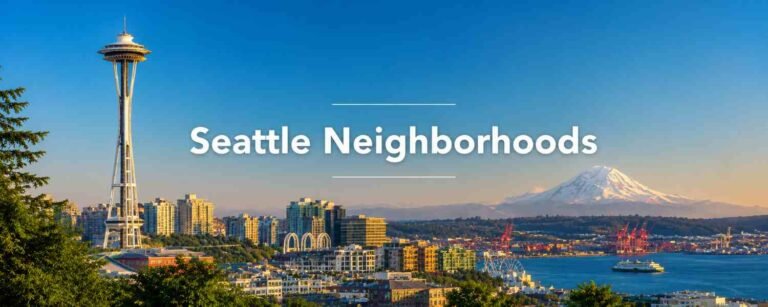
Mount Rainier can sometimes be seen from Seattle and other locations in the Puget Sound region on clear days, but visiting the national park provides a much closer experience.
6. Can I camp at Mount Rainier?
Yes. The park has developed campgrounds and wilderness camping. Overnight wilderness camping requires a permit, and campground availability varies by season and current conditions.
7. Can I climb Mount Rainier without a permit?
No. Climbing regulations apply, and a climbing permit is required for travel above 10,000 feet or on glaciers. Mount Rainier climbing is a serious mountaineering activity and requires appropriate skills and preparation.
8. Are campfires allowed at Mount Rainier in 2026?
No, under the current parkwide fire ban. The ban began June 26, 2026, and prohibits campfires and the ignition of wood, briquettes or fuel in fire pits, fire pans and barbecue grills.
9. Is Sunrise open in 2026?
Sunrise is normally a major summer destination, but Grand Park 2 Fire has affected Sunrise and White River access in August 2026. Check the latest NPS alerts before making the trip.
10. Does Mount Rainier have cell service?
Cell service is limited in much of the park. Paradise is one of the areas with more consistent coverage, but visitors should download maps and information before entering the park.
11. Can people with disabilities visit Mount Rainier?
Yes. Many visitor centers, restrooms, parking areas, dining facilities and selected trails or viewpoints have accessibility features. Paradise and Sunrise have accessible facilities, and wheelchairs may be available for short-term use at visitor centers.
12. Are dogs allowed on Mount Rainier trails?
Pets are not allowed on park trails, although they can be in certain developed areas under the park’s rules. Service animals have different protections under the Americans with Disabilities Act.
Final Thoughts on Mount Rainier National Park
For a Mount Rainier National Park visit, preparation is especially important. Check road status, weather, air quality, webcams, fire restrictions, construction and current alerts before leaving. The Grand Park 2 Fire has changed access around Sunrise and White River, while heavy summer crowds can also make Paradise very busy. With good planning, enough water, respect for the wilderness and flexibility around changing conditions, Mount Rainier can still be an unforgettable Pacific Northwest experience.