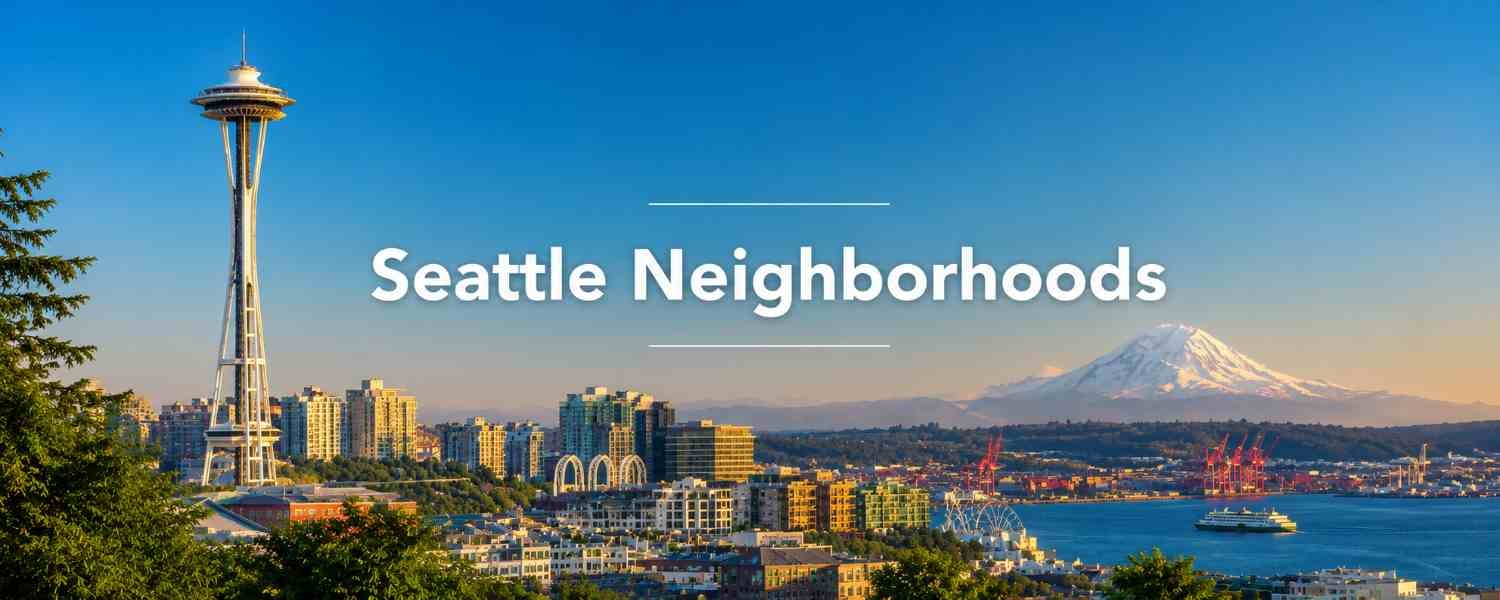
Seattle Neighborhoods
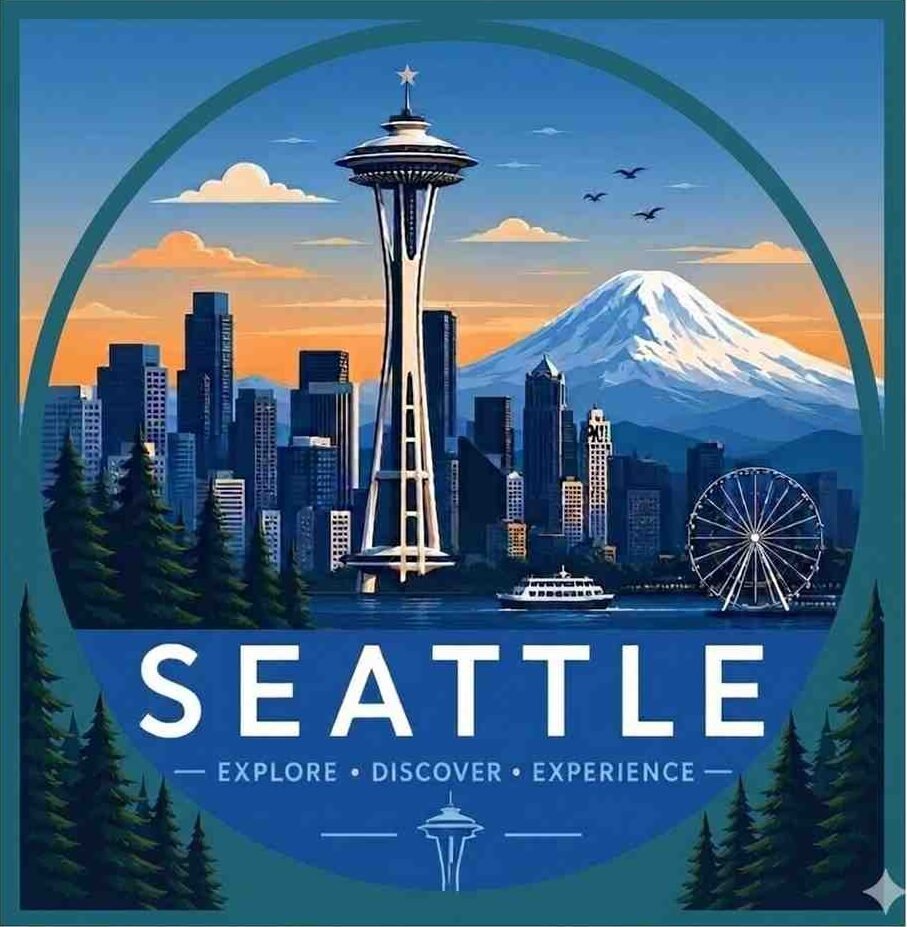
Seattle is more than the Space Needle, Pike Place Market, and downtown skyline. The city is made up of many neighborhoods, and each one has its own personality, history, food scene, parks, shops, and views. The best Seattle neighborhood for you depends on what you want to experience, whether that means waterfront walks, nightlife, local restaurants, family-friendly streets, museums, shopping, or easy access to public transportation.
Seattle neighborhoods also do not always have one official boundary. The City of Seattle explains that neighborhood names and boundaries can differ depending on community use, city planning, and census areas. For visitors, the easiest way to understand Seattle is to think of it as a collection of distinct areas spread across north, central, downtown, east, south, and west Seattle.
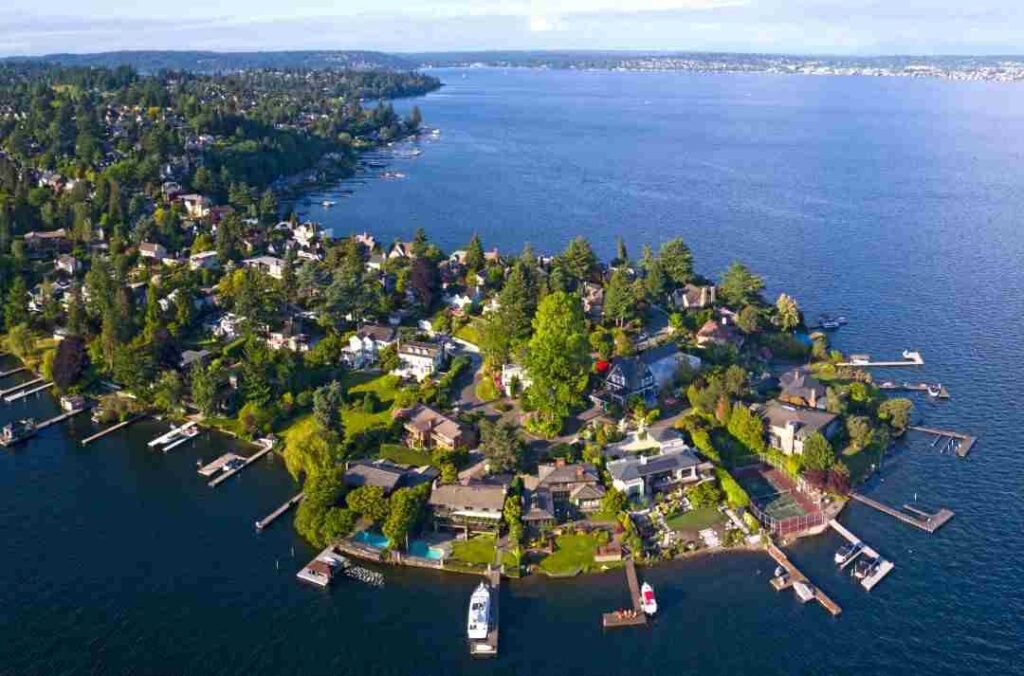
1. Seattle Neighborhoods
i. Ballard
Ballard is one of Seattle’s most popular neighborhoods for visitors who want a mixture of history, food, shopping, waterfront scenery, and nightlife. Its Scandinavian heritage is still an important part of its identity, while Ballard Avenue has developed into a lively destination filled with restaurants, bars, cafes, and independent shops. Ballard is particularly good for travelers who want a neighborhood that feels lively without being as intensely urban as downtown.
For exploring, start around Ballard Locks, where boats move between freshwater and saltwater, then walk through the Carl S. English Jr. Botanical Garden. Golden Gardens Park is another major attraction, especially around sunset. The National Nordic Museum is a good choice for travelers interested in Scandinavian history and culture.
Food is one of Ballard’s biggest strengths. You can find seafood, Scandinavian-inspired dishes, Middle Eastern food, brunch, pizza, breweries, coffee, and modern restaurants. Ballard Avenue and nearby streets are also good for browsing independent boutiques, clothing, gifts, jewelry, and outdoor products.
Nearby communities include Loyal Heights, Whittier Heights, Sunset Hill, Crown Hill, and parts of North Beach. Sunset Hill is especially known for views, while Loyal Heights and Whittier Heights have a more residential feel.
ii. Beacon Hill
Beacon Hill stretches through a large section of South Seattle and is known for its multicultural character, parks, views, and convenient light rail connections. It is one of the neighborhoods where Seattle’s diversity is especially visible in its restaurants and local businesses.
Jefferson Park is one of the best places to explore here, with green space, walking areas, recreation facilities, and views toward the city and surrounding region. The Beacon Hill light rail station also makes the area useful for travelers who want to move around Seattle without depending completely on a car.
The food scene includes Asian, Latin American, African, and other international influences. Local cafes and small restaurants are better suited to travelers looking for neighborhood experiences rather than famous tourist chains.
iii. Bellevue and the Eastside
Bellevue is not a Seattle neighborhood, but it is an important part of the wider Seattle metropolitan area and is often included in Seattle travel searches. Located across Lake Washington, Bellevue combines a modern downtown with parks, shopping, restaurants, offices, and residential communities.
Visitors can explore Bellevue Downtown Park, shop around Bellevue Square, and enjoy restaurants ranging from casual international food to upscale dining. The broader Eastside also includes communities such as Kirkland, Redmond, Mercer Island, and Woodinville, each offering a different experience.
Bellevue works especially well for business travelers, shoppers, families, and visitors who want modern hotels and easy access to Eastside attractions. Woodinville is particularly attractive for wine lovers, with more than 100 wineries and tasting rooms.
iv. Belltown
Belltown sits immediately north of downtown and is one of Seattle’s most urban neighborhoods. High-rise apartments and condominiums mix with restaurants, bars, cafes, galleries, and nightlife venues. Its location makes it convenient for visitors who want to walk to major downtown attractions.
The area is close to Pike Place Market, Seattle Center, the Space Needle, the waterfront, and major downtown shopping streets. Belltown is also a practical base for travelers who want restaurants and entertainment within walking distance.
Eat around 1st Avenue and the surrounding streets, explore independent galleries and small businesses, and walk toward the waterfront. Belltown is best for visitors who enjoy dense city living, nightlife, restaurants, and a central location.
v. Capitol Hill
Capitol Hill is one of Seattle’s most energetic neighborhoods. It is known for its LGBTQIA+ culture, nightlife, restaurants, independent shops, public art, and parks. Choose Capitol Hill if you want nightlife, walkability, culture, restaurants, and a lively atmosphere.
Volunteer Park is one of the neighborhood’s major attractions and includes the Seattle Asian Art Museum and Volunteer Park Conservatory. Cal Anderson Park is another important gathering place. At night, Capitol Hill becomes one of Seattle’s best areas for live music, bars, clubs, and late-night food.
Food options are extremely varied, including Cambodian, Venezuelan, Caribbean, Japanese-inspired pastries, Korean food, and many other cuisines. Shopping is focused on independent stores, books, fashion, records, gifts, and specialty products.
vi. Central District
The Central District is one of Seattle’s historically important neighborhoods. Today it combines historic identity with restaurants, cafes, arts spaces, parks, and new development.
Visitors can explore local cultural businesses, community spaces, and nearby parks. Food is a major reason to visit, with restaurants representing different parts of Seattle’s multicultural population. The neighborhood is also close to Capitol Hill, First Hill, Madrona, and Downtown, making it useful for travelers interested in exploring several central areas in one trip.
Nearby areas such as Atlantic, Madrona, and First Hill add even more variety. Atlantic is close to downtown and Mount Baker, while Madrona has a quieter residential character with attractive streets and lake views.
vii. Chinatown-International District
Seattle’s Chinatown-International District is one of the city’s most culturally important areas. It includes communities and businesses connected to Chinese, Japanese, Filipino, Vietnamese, and other Asian cultures.
The best way to experience the area is through its food, markets, bakeries, cultural institutions, and historic streets. Wing Luke Museum is an important stop for understanding Asian American history and culture in the Pacific Northwest.
Food choices range from dim sum and noodles to Vietnamese, Filipino, Japanese, Chinese, and other Asian cuisines. Grocery stores and specialty shops are also part of the experience.
The district is connected to downtown and Pioneer Square by light rail and other transit, making it easy to include during a city sightseeing day.
viii. Columbia City and Rainier Valley
Columbia City is one of South Seattle’s best-known neighborhood centers. It combines historic architecture, independent restaurants, cafes, shops, theaters, and a strong community atmosphere. The wider Rainier Valley is one of Seattle’s most diverse parts of the city.
Travelers can explore Columbia City’s restaurants and small businesses before heading farther south toward Rainier Beach or other parts of the valley. Light rail makes Columbia City especially useful for visitors, while Rainier Beach offers access to Lake Washington and parks.
Nearby neighborhoods include Brighton, Hillman City, Rainier Beach, Seward Park, and Mount Baker. Each has a somewhat different residential character, but together they form one of Seattle’s most culturally rich areas.
ix. Downtown Seattle
Downtown is the traditional starting point for many first-time visitors. It contains major attractions, hotels, shopping, restaurants, theaters, offices, and transportation connections.
Pike Place Market is one of the most famous places in the city, while nearby attractions include the Seattle Art Museum, Seattle Aquarium, Seattle Central Library, and the waterfront. Downtown also provides easy access to Seattle Center and other central neighborhoods.
The best thing about staying downtown is convenience. You can walk to many attractions and connect to public transportation for neighborhoods farther away. However, travelers who prefer quieter residential streets may find Ballard, Queen Anne, Fremont, or West Seattle more relaxed.
x. Fremont and Wallingford
Fremont and Wallingford sit north of the Lake Washington Ship Canal and are known for independent businesses, restaurants, public art, parks, and a relaxed neighborhood feel.
Fremont’s famous Fremont Troll is one of Seattle’s most recognizable pieces of public art. Nearby Gas Works Park offers excellent views across Lake Union toward downtown. The Burke-Gilman Trail also passes through the area and is popular for walking and cycling.
Wallingford has a more traditional neighborhood feel, with restaurants, cafes, bookstores, and local shops. Together, Fremont and Wallingford are excellent for travelers who want food, art, walking, and a less tourist-focused Seattle experience.
xi. Green Lake, Phinney Ridge and Greenwood
Green Lake is one of Seattle’s most popular outdoor neighborhoods. The lake has a busy walking and recreation path, making it ideal for morning walks, jogging, cycling, and relaxing outdoors.
Phinney Ridge sits nearby on higher ground and has independent restaurants, cafes, shops, and a strong residential character. Greenwood continues the northward neighborhood experience with restaurants, bars, services, and local businesses.
The area also connects with communities such as Crown Hill, Whittier Heights, and Licton Springs. Travelers who want green space without moving too far from central Seattle may find this part of the city especially appealing.
xii. Pioneer Square
Pioneer Square is Seattle’s oldest neighborhood and one of its most historic areas. Its brick buildings, historic architecture, art galleries, restaurants, and proximity to the stadiums make it very different from newer neighborhoods.
The area is next to Lumen Field and T-Mobile Park, making it particularly busy around sports events. Visitors can explore historic streets, galleries, cafes, restaurants, and underground-history experiences.
Pioneer Square also connects directly to the waterfront and International District. It is one of the best Seattle neighborhoods for travelers interested in history, architecture, sports, and urban culture.
xiii. Queen Anne
Queen Anne is usually understood as two different experiences: Lower Queen Anne, near Seattle Center, and Upper Queen Anne, on the hill above it. Lower Queen Anne is busy and attraction-focused, while Upper Queen Anne has a quieter residential feel.
Seattle Center is home to major attractions including the Space Needle, museums, theaters, and event spaces. Kerry Park on Queen Anne Hill is famous for its views of the Seattle skyline and Mount Rainier on clear days.
Restaurants and cafes are spread throughout the neighborhood, while Queen Anne Avenue offers local shopping. Nearby Magnolia and Interbay add more residential and waterfront character.
xiv. SoDo and Georgetown
SoDo, short for South of Downtown, is a more industrial and sports-focused area. It is home to major sports venues, warehouses, businesses, breweries, and creative spaces. It does not have the same residential atmosphere as Ballard or Queen Anne, but it can be interesting for travelers looking for a different side of Seattle.
Nearby Georgetown has a distinct historic-industrial identity with restaurants, bars, breweries, art spaces, and independent businesses. It is one of the city’s more unusual areas to explore.
The broader Industrial District is primarily non-residential, so it is better suited to targeted visits than as a traditional sightseeing base.
xv. South Lake Union
South Lake Union, often called SLU, is one of Seattle’s most transformed urban areas. It has become a major technology and business center, with modern apartment towers, offices, restaurants, cafes, parks, and lakefront spaces.
The neighborhood is useful for business travelers and visitors who enjoy modern city environments. Lake Union Park is a good place to slow down, while nearby streets offer restaurants and coffee shops.
SLU connects naturally with Downtown, Belltown, Eastlake, and Westlake. Its rapid development has made it one of Seattle’s most recognizable examples of modern urban growth.
xvi. University District
The University District surrounds the University of Washington and has a young, active atmosphere. Students, faculty, residents, restaurants, bookstores, cafes, and apartments fill the area.
The neighborhood is particularly good for inexpensive and international food. Visitors can also explore university architecture, nearby parks, and cultural attractions.
The U District light rail station makes transportation easier, connecting the area with central Seattle and other parts of the region. Sound Transit’s current Link network includes U District, Roosevelt, Northgate, Capitol Hill, Downtown, and Eastside stations, making rail access an important part of exploring Seattle neighborhoods.
Nearby Ravenna, Montlake, Laurelhurst, Bryant, and Portage Bay provide quieter alternatives. Ravenna is especially attractive for green spaces and residential streets, while Laurelhurst and View Ridge are known for higher-end homes and lake views.
xvii. Waterfront
Seattle’s Waterfront is not a traditional residential neighborhood in the same way as Ballard or Capitol Hill, but it is one of the most important areas for visitors.
The waterfront connects Downtown with Elliott Bay and includes attractions, piers, restaurants, public spaces, views, and walking routes. It is ideal for travelers who want to combine sightseeing with water views.
The Seattle Aquarium, ferries, waterfront parks, restaurants, and harbor views make this one of the easiest areas to add to a first Seattle trip. The waterfront also connects naturally to Pike Place Market and Pioneer Square.
xviii. West Seattle
West Seattle feels different from central Seattle. It has beaches, green spaces, hills, residential neighborhoods, restaurants, bakeries, cafes, and independent shops.
Alki Beach is the most famous attraction, offering a long waterfront area with views across Elliott Bay toward downtown. The West Seattle Junction is the main commercial center, with restaurants, cafes, shops, and local businesses.
Other communities include Admiral, Arbor Heights, Fauntleroy, High Point, Highland Park, North Delridge, South Delridge, Riverview, Roxhill, and Westwood. Fauntleroy is especially notable for its ferry connection, while Admiral and Alki are popular for views and waterfront living.
For food, try the many neighborhood restaurants and bakeries around the Junction and Alki. Shopping is more independent and community-focused than downtown.
xix. White Center
White Center is just south of West Seattle and has a lively, diverse neighborhood atmosphere. It is particularly interesting for travelers who enjoy local food and independent businesses.
The area has restaurants representing many cultures, bars, small shops, bakeries, and community businesses. It is not a classic first-time tourist base, but it can be a rewarding place to visit for travelers who want to experience a more local side of the Seattle area.
xx. Woodinville
Woodinville lies outside Seattle proper, but it is frequently included in Seattle-area travel planning. It is best known for wineries, tasting rooms, restaurants, and a quieter suburban environment.
Wine tourism is the main attraction, with more than 100 wineries and tasting rooms in the area. Woodinville is especially suitable for a day trip or weekend experience. Visitors can combine wine tasting with restaurants, parks, and countryside scenery.
xxi. Bainbridge and Bremerton
Bainbridge Island and Bremerton are not Seattle neighborhoods, but they are important destinations in the wider Puget Sound region. They are accessible by Washington State Ferries and offer travelers a chance to see a very different side of the region.
Bainbridge Island is known for natural beauty, small-town atmosphere, galleries, shops, restaurants, and outdoor activities. Bremerton has a strong maritime and naval history and offers museums, waterfront areas, and local restaurants.
The ferry journey itself is part of the experience, providing views across Puget Sound and back toward Seattle.
2. Additional Seattle Neighborhoods Worth Knowing
Seattle has many smaller neighborhood names that can be useful when searching for hotels, homes, restaurants, or local attractions. Broadview and Bitter Lake are northern residential areas with parks and a quieter feel, while Haller Lake, Pinehurst, Cedar Park, Meadowbrook, Matthews Beach, Olympic Hills, and Victory Heights provide more residential North Seattle options.
Maple Leaf and Wedgwood are stable residential neighborhoods with local restaurants, cafes, parks, and community businesses. Ravenna is close to the University District and has access to green spaces, while View Ridge, Sand Point, and Laurelhurst are known for residential streets and proximity to Lake Washington. Magnuson Park is an important outdoor destination near Sand Point.
Madison Park and Denny Blaine are attractive Eastside neighborhoods with waterfront access and a higher-end residential feel. Madrona is another desirable area with tree-lined streets, local businesses, and views toward Lake Washington. Leschi is especially known for waterfront scenery and its marina.
Eastlake and Portage Bay are close to Lake Union and offer a mixture of apartments, homes, restaurants, and water views. Montlake is near the University of Washington and major parks, while Hawthorne Hills and Bryant are quieter residential communities.
Magnolia sits on a peninsula northwest of downtown and has a strong community atmosphere. Discovery Park is its major attraction and provides trails, beaches, forest, and open space. Interbay, between Magnolia, Queen Anne, and Ballard, has a more mixed urban and industrial landscape.
First Hill sits immediately east of downtown and is known for hospitals, apartments, historic buildings, and its central location. Atlantic lies farther south and is close to Mount Baker, the Central District, and downtown.
Mount Baker is known for historic homes, greenery, and Lake Washington views. Seward Park offers one of the city’s best nature-focused experiences, with trails and forest surrounding a peninsula extending into Lake Washington.
In the south, Rainier Beach, Brighton, Hillman City, and other Rainier Valley communities offer multicultural restaurants, neighborhood businesses, parks, and light rail connections. South Park has a strong industrial and residential mix, while Georgetown is better known for its historic-industrial character, restaurants, breweries, and arts scene.
On the west side, Admiral offers views and easy access to Alki, while Arbor Heights and Fauntleroy have a quieter residential and coastal feel. High Point, Highland Park, Riverview, North Delridge, South Delridge, Roxhill, and Westwood provide a range of residential environments, with some areas offering more affordable options than Seattle’s most expensive neighborhoods.
Best Way to Explore:
Seattle is easiest to understand when grouped by nearby neighborhoods. For example, you can combine Downtown + Waterfront + Pike Place + Belltown, then explore Capitol Hill + First Hill, or spend another day around Fremont + Wallingford + Ballard. This saves travel time and lets you experience the city’s different personalities.
3. How Seattle Neighborhoods Are Divided: North, Central, West and South
There is no single system that perfectly divides every Seattle neighborhood into four simple sections. The city uses official council districts and community reporting areas, while residents and visitors often use broader geographic terms. Seattle’s Department of Neighborhoods recognizes numerous community areas, while its Neighborhood Snapshots use 53 Community Reporting Areas, which do not always match the neighborhood boundaries people use in everyday conversation.
i. North Seattle
- Green Lake
- Greenwood
- Northgate
- Maple Leaf
- Wedgwood
ii. Central Seattle
- Capitol Hill
- Central District
- Madrona
- First Hill
iii. West Seattle
- Alki
- Admiral
- Fauntleroy
- Westwood
iv. South Seattle
- Columbia City
- Rainier Beach
- Beacon Hill
- Seward Park
Seattle Neighborhood Tip: Do not choose a neighborhood only because it looks close on a map. Seattle’s hills, bridges, waterways, and traffic can make two nearby areas feel quite different. For sightseeing, consider walkability, transit, attractions, and the atmosphere you want before choosing where to stay.
4. Best Seattle Neighborhoods by Category
| Category | Neighborhoods to Consider | Why |
| Best for first-time visitors | Downtown, Belltown, Waterfront, Queen Anne | Close to major attractions |
| Best for nightlife | Capitol Hill, Belltown, Ballard | Bars, clubs, music and restaurants |
| Best for food | Ballard, Capitol Hill, International District, Columbia City | Wide range of cuisines |
| Best for families | Queen Anne, Green Lake, Wedgwood, Magnolia, West Seattle | Parks, residential streets and activities |
| Best for waterfront views | Alki, Magnolia, Leschi, Madison Park, West Seattle | Beaches, bays and lake views |
| Best for local atmosphere | Columbia City, Fremont, Wallingford, Georgetown | Independent businesses and neighborhood culture |
| Best for students | University District, Capitol Hill, Fremont | UW access, cafes and active streets |
| Best for luxury | Laurelhurst, Madison Park, Broadmoor, Denny Blaine, Windermere | Premium homes and lake access |
| Best for outdoor activities | Green Lake, Ballard, Magnolia, West Seattle, Seward Park | Parks, trails and waterfront |
| Best for transit | Downtown, Capitol Hill, University District, Northgate, Roosevelt, Beacon Hill | Strong Link/bus connections |
For first-time visitors, Downtown, Belltown, the Waterfront, and Lower Queen Anne are among the easiest choices because they put major attractions within relatively easy reach. Downtown and the Waterfront are especially convenient for visitors with limited time.
For nightlife, Capitol Hill is one of the strongest choices. Ballard and Belltown are also good options, with different atmospheres. Capitol Hill is more neighborhood-oriented and energetic, while Belltown is closer to the traditional downtown entertainment area.
For food lovers, Ballard, Capitol Hill, the Chinatown-International District, Columbia City, and Fremont are excellent starting points. Seattle’s food scene is spread throughout the city, so there is no single neighborhood that owns the title of “best food neighborhood.”
For families, Green Lake, Queen Anne, Magnolia, West Seattle, Wedgwood, and neighborhoods around North Seattle offer a combination of parks, residential streets, attractions, and restaurants. Green Lake is especially convenient for outdoor recreation.
For waterfront experiences, West Seattle and Alki offer beach scenery, while Magnolia, Madison Park, Leschi, Sand Point, and Seward Park provide different types of waterfront and lake experiences.
For public transportation, neighborhoods along Link light rail are especially useful. Current Link stations include areas such as Northgate, Roosevelt, U District, Capitol Hill, Downtown, Pioneer Square, International District/Chinatown, Beacon Hill, and Rainier Valley, with the system also connecting to Bellevue and other regional destinations.
For luxury and upscale residential areas, neighborhoods such as Broadmoor, Laurelhurst, Madison Park, Denny Blaine, Windermere, View Ridge, and parts of Magnolia and Queen Anne are often associated with higher-end homes and desirable locations.
For more affordable options, affordability varies greatly by property type and changes over time, but travelers and residents often look farther from the central urban core. Areas such as parts of South Seattle, Delridge, White Center, North Seattle, and neighborhoods farther from the waterfront can offer different price points. Do not assume an entire neighborhood is affordable or expensive, because Seattle housing prices can vary significantly from one street or property type to another.
5. What to Explore, Eat, Drink and Shop Across Seattle
Seattle’s neighborhoods are best experienced through their everyday businesses rather than only major attractions.
- Ballard is ideal for breweries, seafood, Scandinavian culture, boutiques, and waterfront walks.
- Capitol Hill combines restaurants, nightlife, music, LGBTQIA+ businesses, bookstores, cafes, and independent shopping.
- Fremont and Wallingford are good for quirky public art, cafes, local restaurants, walking trails, and independent stores.
- Downtown and Belltown are best for major attractions, hotels, shopping, restaurants, nightlife, and easy access to the waterfront.
- Pioneer Square is better for historic architecture, galleries, sports, restaurants, and old Seattle character.
- Queen Anne works well for skyline views, Seattle Center attractions, neighborhood cafes, and quieter streets.
- The Chinatown-International District is the place to focus on Asian food, cultural institutions, markets, bakeries, and historic businesses.
- Columbia City and Rainier Valley are excellent for multicultural food and neighborhood experiences.
- West Seattle combines beaches, parks, bakeries, restaurants, independent shops, and sunset views.
- Green Lake and North Seattle are particularly good for outdoor activities, local cafes, family-friendly recreation, and neighborhood shopping.
- Magnolia is best for Discovery Park, nature, views, and a quieter residential atmosphere.
- Georgetown and South Park provide a more industrial, artistic, and local experience.
6. Seattle Neighborhoods for Visitors: How to Choose
If your trip is only one or two days, staying around Downtown, Belltown, the Waterfront, or Lower Queen Anne can save time. You will be close to many major attractions and can use public transportation for neighborhoods farther away.
If you have three to five days, consider staying outside the downtown core and spending full days in different parts of Seattle.
If you love food and nightlife, choose Capitol Hill or Ballard. If you prefer beaches and relaxed walks, West Seattle is a strong choice. If you want parks and residential charm, look toward Magnolia, Green Lake, Wedgwood, Ravenna, or Queen Anne.
If you are visiting for business, South Lake Union, Downtown, Belltown, or Bellevue may be convenient depending on where your meetings are located.
Reviews of Seattle Neighborhoods
Frequently Asked Questions
1. What are the best neighborhoods in Seattle for first-time visitors?
Downtown, Belltown, the Waterfront, and Queen Anne are among the easiest areas for first-time visitors because they are close to major attractions. However, staying in Capitol Hill, Ballard, or West Seattle can provide a more neighborhood-focused experience.
2. What is the most popular neighborhood in Seattle?
There is no single official answer, but Ballard, Capitol Hill, Downtown, Fremont, Queen Anne, and West Seattle are among the neighborhoods that receive significant visitor interest. Each attracts visitors for different reasons, from nightlife and food to beaches and major attractions.
3. Which Seattle neighborhood is best for nightlife?
Capitol Hill is one of the city’s strongest nightlife areas, with bars, clubs, live music, restaurants, and LGBTQIA+ venues. Belltown and Ballard are also good choices for evening entertainment.
4. Which Seattle neighborhoods are best for food?
Ballard, Capitol Hill, the Chinatown-International District, Columbia City, Rainier Valley, Fremont, and the University District all have strong food scenes. The best choice depends on the type of cuisine you want.
5. What is the best Seattle neighborhood for families?
Green Lake, Queen Anne, Magnolia, West Seattle, Wedgwood, and parts of North Seattle are good areas for families because of their parks, residential streets, recreation, and local amenities.
6. Is Seattle easy to explore without a car?
Yes, especially if you plan carefully. Downtown, Capitol Hill, the University District, Northgate, Roosevelt, Pioneer Square, the International District, Beacon Hill, and several other areas have Link light rail access. Buses and walking can also connect many neighborhoods.
7. What is the best neighborhood for waterfront views?
For Puget Sound views, consider Alki, Magnolia, Queen Anne, and parts of West Seattle. For Lake Washington, look at Madison Park, Leschi, Mount Baker, Laurelhurst, View Ridge, and Sand Point. For Lake Union, Eastlake, South Lake Union, and Westlake offer convenient waterfront access.
8. Are Bellevue, Woodinville, Bainbridge Island and Bremerton Seattle neighborhoods?
No. Bellevue, Woodinville, Bainbridge Island, and Bremerton are separate communities or destinations outside Seattle proper, but they are often included in Seattle-area travel guides because they are relatively accessible from the city.
Conclusion
Seattle’s neighborhoods are one of the biggest reasons the city is so interesting to explore. Downtown and the Waterfront provide famous attractions, Capitol Hill brings nightlife and culture, Ballard delivers food and maritime history, Fremont and Wallingford offer art and independent businesses, Green Lake brings outdoor recreation, West Seattle provides beaches and views, and Columbia City and the International District showcase Seattle’s multicultural character.