Museums in Seattle: A Complete Guide to Art, History, Science, and Culture
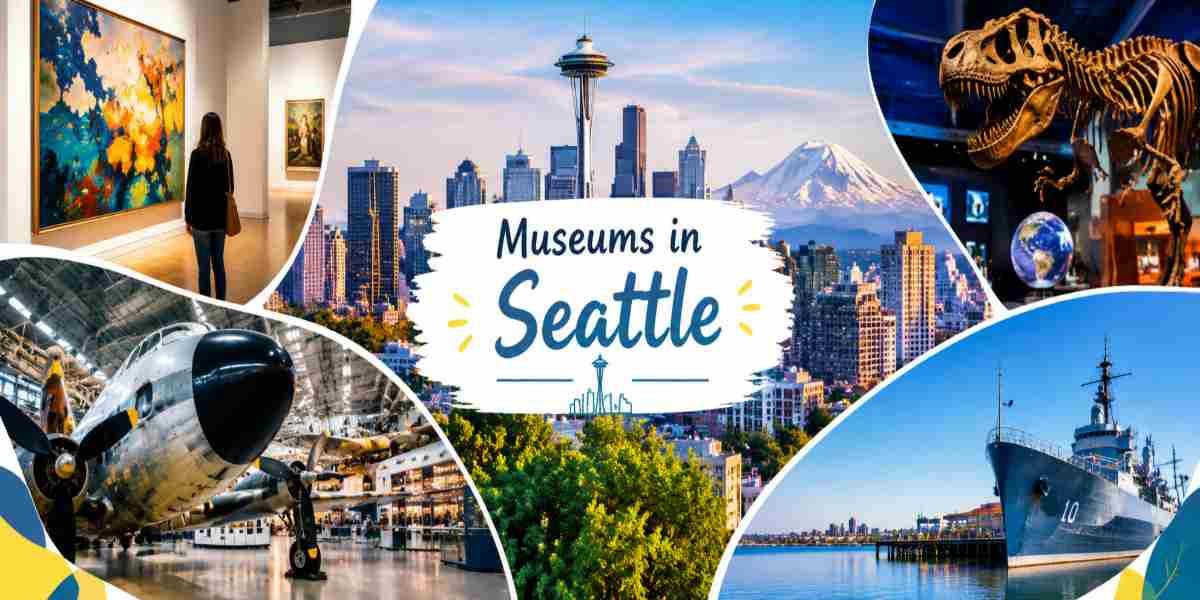
The museums in Seattle include famous places such as the Museum of Pop Culture, Seattle Art Museum, Museum of Flight, and Pacific Science Center. You can explore historic ships, see beautiful paintings, learn about airplanes, and discover the natural world. Some museums are in downtown Seattle, while others are near the waterfront or outside the city center.
This guide covers the main museum categories, important attractions, addresses, visitor information, and answers to common questions to help you plan your visit.
Quick Overview of Museums in Seattle
Seattle has museums for almost every interest. The table below provides a quick overview of some popular choices.
| Museum | Main Category | Location |
| Seattle Art Museum | Art | Downtown Seattle |
| Seattle Asian Art Museum | Art and culture | Volunteer Park |
| Museum of Flight | Aviation | South Seattle |
| Museum of Pop Culture (MoPOP) | Music and pop culture | Seattle Center |
| Museum of History & Industry (MOHAI) | History | South Lake Union |
| Burke Museum of Natural History and Culture | Natural history | University of Washington |
| Pacific Science Center | Science | Seattle Center |
| National Nordic Museum | Heritage and culture | Ballard |
| Center for Wooden Boats | Maritime | South Lake Union |
| Seattle Children’s Museum | Children’s museum | Seattle Center |
1. Art and Craft Museums in Seattle
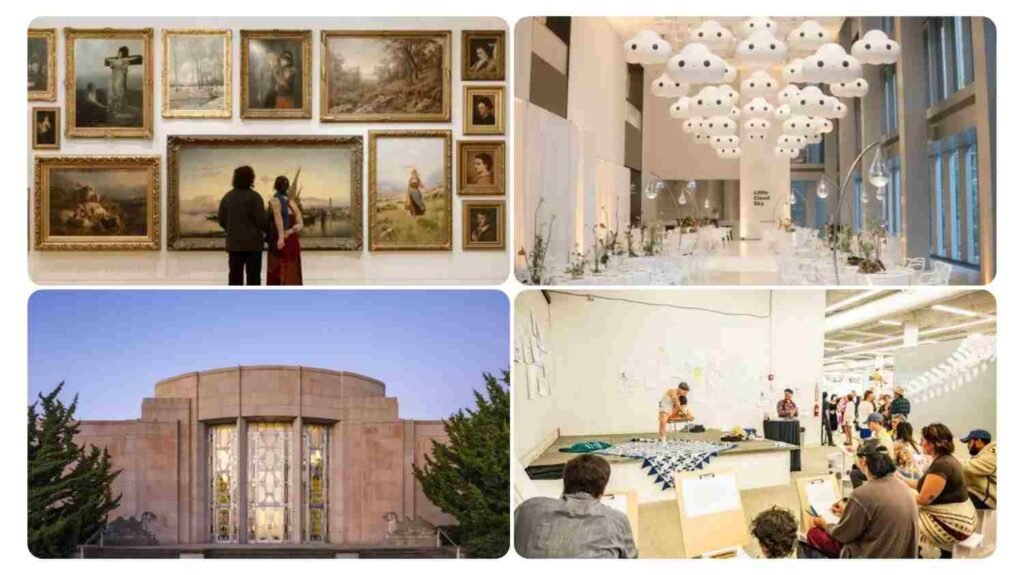
Seattle has a strong art scene, with museums that display paintings, sculptures, photography, traditional crafts, and modern artwork. These museums are good choices for people who enjoy creativity and want to learn about artists from different countries and periods.
i. Seattle Art Museum (SAM)
The Seattle Art Museum, often called SAM, is one of the city’s best-known art museums. It displays artwork from different cultures and historical periods, including paintings, sculptures, decorative arts, and contemporary pieces.
The museum is located at 1300 First Avenue, Seattle, Washington 98101, in downtown Seattle. Its exhibitions may include African art, Asian art, European paintings, Indigenous art, and works by contemporary artists. The museum also organizes special exhibitions, educational programs, talks, and activities for visitors.
ii. Seattle Asian Art Museum
The Seattle Asian Art Museum is located in Volunteer Park, in the Capitol Hill area. Its address is 1400 East Prospect Street, Seattle, Washington 98112. It is part of the Seattle Art Museum family and focuses on art from Asia.
The collection includes objects and artwork connected to countries such as China, Japan, India, Korea, and other parts of Asia. Visitors may see paintings, sculptures, ceramics, textiles, and decorative objects. The museum building is also an important attraction because of its historic architecture and park setting.
iii. Frye Art Museum
The Frye Art Museum is a good choice for visitors who enjoy paintings and want to explore art in a quieter setting. It is located at 704 Terry Avenue, Seattle, Washington 98104, near First Hill.
The museum began with the art collection of Charles and Emma Frye, who supported the development of an art museum in Seattle. Today, it presents historical and contemporary exhibitions, including paintings, installations, and work by emerging artists.
The Frye is known for offering free general admission, although special events or programs may have separate conditions. Check its official website for current exhibitions, opening hours, and program details.
iv. Henry Art Gallery
The Henry Art Gallery is located at 15th Avenue Northeast and Northeast 41st Street, Seattle, Washington 98105, on the University of Washington campus. It focuses on modern and contemporary art, including photography, digital media, installations, and experimental projects.
What to Expect at Art Museums?
Art museums offer more than paintings on walls. They can introduce visitors to different cultures, artistic movements, materials, and ways of thinking. Many museums also provide guided tours, workshops, lectures, and family activities.
2. Aviation and Transportation Museums in Seattle
Seattle has a special connection with aviation and transportation. The region is closely linked to aircraft manufacturing, maritime trade, and the growth of modern transportation. Visitors interested in engineering, flight, vehicles, and technology will find several fascinating places to explore.
i. Museum of Flight
The Museum of Flight is one of the most important aviation museums in the Seattle area. It is located at 9404 East Marginal Way South, Seattle, Washington 98108, near Boeing Field.
Visitors can see historic airplanes, military aircraft, commercial planes, spacecraft exhibits, and displays about the people who helped develop aviation.
One of its major attractions is the Personal Courage Wing, which features aircraft and stories connected to military aviation.
ii. Northwest Railway Museum
The Northwest Railway Museum is located in Snoqualmie, Washington, outside Seattle. Its main museum address is 38625 Southeast King Street, Snoqualmie, Washington 98065.
The museum preserves railway history through historic trains, railway equipment, photographs, and displays about the development of rail travel in the region.
Because the museum is outside Seattle, it is best for visitors planning a day trip. Train departures and operating dates can vary, so check the official schedule before traveling.
3. History and Heritage Museums in Seattle
Seattle’s history includes Indigenous cultures, early settlement, shipping, trade, technology, immigration, and the growth of a major Pacific Northwest city. History and heritage museums help visitors understand how the region developed and how its communities changed over time.
i. Museum of History & Industry (MOHAI)
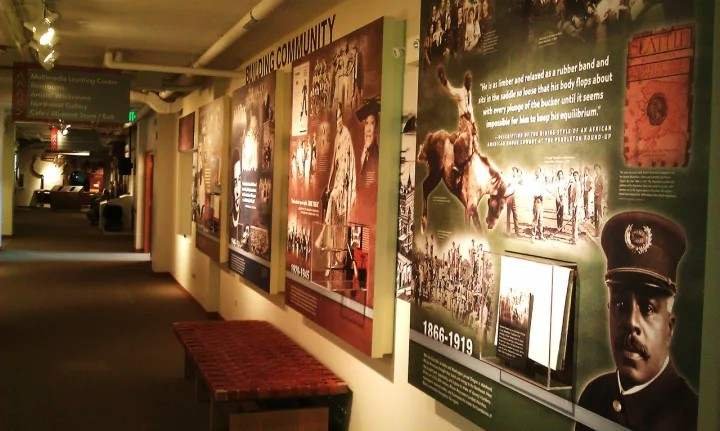
The Museum of History & Industry, commonly known as MOHAI, is located at 860 Terry Avenue North, Seattle, Washington 98109, in the South Lake Union neighborhood.
MOHAI explores Seattle’s development through objects, photographs, documents, personal stories, and interactive displays.
MOHAI also offers educational activities, public talks, and special exhibitions. It is a good choice for families, students, and visitors who want a clear introduction to Seattle’s past.
ii. Klondike Gold Rush National Historical Park – Seattle Unit
The Klondike Gold Rush National Historical Park – Seattle Unit is located at 319 Second Avenue South, Seattle, Washington 98104, in the historic Pioneer Square area.
This museum explains Seattle’s role in the Klondike Gold Rush of the late 1890s. Many people passed through Seattle on their way to the goldfields in Canada’s Yukon region. The gold rush brought new business, travelers, and attention to the city. Exhibits help explain how the event influenced the city’s growth and reputation.
iii. National Nordic Museum
The National Nordic Museum is located at 2655 Northwest Market Street, Seattle, Washington 98107, in the Ballard neighborhood.
The museum explores the history, culture, and experiences of people from the Nordic countries: Denmark, Finland, Iceland, Norway, and Sweden. It also tells stories about Nordic immigration and the communities that developed in the Pacific Northwest.
iv. Wing Luke Museum of the Asian Pacific American Experience
The Wing Luke Museum is located at 719 South King Street, Seattle, Washington 98104, in the historic Chinatown-International District.
The museum focuses on Asian American, Native Hawaiian, and Pacific Islander experiences, with a strong connection to Seattle’s communities. Its exhibitions explore immigration, identity, family life, cultural traditions, discrimination, activism, and the achievements of local people.
v. Log House Museum
The Log House Museum is located at 3003 61st Avenue Southwest, Seattle, Washington 98116, in West Seattle’s Alki area.
The museum focuses on the history of West Seattle, including early settlement, local communities, and the development of the neighborhood.
Because the museum is smaller, opening hours and special events may be limited. Visitors should confirm its current schedule before making a special trip.
Tips for Visiting Museums in Seattle
i) Check opening hours: Visit the official website for updated timings, ticket prices, and exhibitions.
ii) Look for discounts: Check for free admission, special offers, and discounted tickets.
iii) Plan for children: Choose museums with interactive activities and family-friendly facilities.
iv) Book tickets early: Reserve tickets in advance for popular museums and special exhibitions.
v) Wear comfortable shoes: Large museums may take several hours to explore, so plan breaks.
vi) Follow photography rules: Check museum signs before taking pictures.
vii) Plan your route: Visit nearby museums on the same day to save time and transport costs.
4. Maritime and Military Museums in Seattle
Seattle’s waterfront has played an important role in fishing, trade, shipbuilding, transportation, and regional development. Maritime museums introduce visitors to life on the water, historic boats, and the relationship between Seattle and Puget Sound. For more fun activates read article things to do in seattle.
i. Center for Wooden Boats
The Center for Wooden Boats is located at 1010 Valley Street, Seattle, Washington 98109, on the south end of Lake Union.
This museum and boating center celebrates traditional wooden boats and the skills used to build, maintain, and operate them. Visitors can explore historic boats, learn about boatbuilding, and discover how small vessels have been used for work, recreation, and transportation.
ii. Historic Ships at Lake Union and South Lake Union
Lake Union is home to historic vessels and maritime activities that help visitors understand Seattle’s working-waterfront history. The Center for Wooden Boats is a good starting point for exploring traditional boat design and maritime skills.
The Virginia V, a historic steamship associated with Puget Sound passenger service, is another important part of the region’s maritime heritage. Its public access, tours, and sailing schedule may vary, so visitors should check current information before planning around it.
Walking around Lake Union can also provide views of boats, waterfront activity, and the city’s relationship with the water. However, not every vessel is open as a museum or available for public boarding.
5. Science and Natural History Museums in Seattle
Science and natural history museums help visitors explore the environment, animals, fossils, space, technology, and the natural world.
i. Pacific Science Center
The Pacific Science Center is located at 200 Second Avenue North, Seattle, Washington 98109, near the Space Needle at Seattle Center.
It offers interactive exhibits about science, technology, the human body, physics, and the natural world. Visitors may take part in hands-on activities, watch demonstrations, and explore displays designed to make scientific ideas easier to understand.
The center has also been known for its planetarium and large-screen science experiences. Availability of specific attractions, shows, and galleries can change, so visitors should check the current program before planning a visit.
ii. Burke Museum of Natural History and Culture
The Burke Museum is located at 4300 15th Avenue Northeast, Seattle, Washington 98105, on the University of Washington campus.
It is Washington State’s natural history and culture museum and is known for its collections of fossils, minerals, plants, animals, and cultural objects. Visitors can learn about dinosaurs, ancient environments, biodiversity, and the region’s Indigenous histories and cultures.
iii. Seattle Aquarium
The Seattle Aquarium is located at 1483 Alaskan Way, Pier 59, Seattle, Washington 98101, on the downtown waterfront.
Although it is an aquarium rather than a traditional museum, it is an important educational attraction for visitors interested in marine life. Its exhibits focus on the waters of the Pacific Northwest, including local fish, invertebrates, and other marine animals.
iv. Woodland Park Zoo
The Woodland Park Zoo is located at 5500 Phinney Avenue North, Seattle, Washington 98103.
It is a zoo rather than a conventional museum, but it provides educational experiences related to animals, habitats, conservation, and biodiversity. Visitors can explore animal habitats and learn about wildlife protection and environmental challenges.
Science and Nature Comparison
| Attraction | Main Interest | Best For |
| Pacific Science Center | Interactive science and technology | Families and curious learners |
| Burke Museum | Fossils, wildlife, and cultural collections | Students and nature lovers |
| Seattle Aquarium | Marine animals and ocean conservation | Families and waterfront visitors |
| Woodland Park Zoo | Wildlife and habitat conservation | Outdoor family activities |
6. Pop Culture Museums in Seattle
Seattle is famous for music, technology, film, gaming, and modern popular culture. Pop culture museums offer a fun way to explore these subjects through costumes, objects, interactive exhibits, and stories about famous artists and creative industries.
i. Museum of Pop Culture (MoPOP)
The Museum of Pop Culture, commonly known as MoPOP, is located at 325 Fifth Avenue North, Seattle, Washington 98109, at Seattle Center near the Space Needle.
The museum explores music, science fiction, fantasy, film, television, gaming, and other areas of popular culture. Its exhibitions may feature instruments, costumes, props, memorabilia, and displays about influential artists and creative works.
7. Children’s Museums in Seattle
Children’s museums are designed to help young visitors learn through play, discovery, creativity, and social activities. Seattle has options for children of different ages, although visitors should check current admission rules and activity schedules before going.
i. Seattle Children’s Museum
The Seattle Children’s Museum is located at 305 Harrison Street, Seattle, Washington 98109, within Seattle Center.
The museum provides play-based learning experiences for young children. Activities are designed to encourage imagination, problem-solving, creativity, and communication.
The museum is particularly suitable for preschool and early elementary-age children, although the best activities depend on each child’s interests and developmental stage.
Best Museums for Children: Quick Guide
| Museum | Learning Experience | Suitable Interest |
| Seattle Children’s Museum | Imaginative play and exploration | Young children |
| Pacific Science Center | Hands-on science | Children and teenagers |
| Burke Museum | Fossils, animals, and natural history | Curious learners |
| Seattle Aquarium | Marine life and conservation | Families and ocean lovers |
| Museum of Flight | Aircraft, space, and engineering | Aviation fans |
What People Say About Museums in Seattle
1. Emily R. — “Seattle’s museums offer a wonderful mix of art, history, and science. Every museum gives you something new to discover.”
2. James T. — “I loved the Museum of Flight. Seeing historic aircraft up close made learning about aviation exciting and memorable.”
3. Sophia M. — “The museums in Seattle are perfect for families. Interactive exhibits make learning fun for both children and adults.”
4. Daniel K. — “MoPOP was a highlight of my visit. Its music and pop culture exhibits made the experience creative and enjoyable.”
5. Olivia W. — “I enjoyed exploring Seattle’s art and history museums. They helped me understand the city’s culture in a deeper way.
Frequently Asked Questions
1. What are the best museums in Seattle?
Some of the best-known museums in Seattle include the Seattle Art Museum, Museum of Flight, Museum of Pop Culture, MOHAI, Pacific Science Center, and Burke Museum. Each offers a different experience, from art and history to science and entertainment. The best choice depends on your interests and how much time you have.
2. What is the most famous museum in Seattle?
There is no single answer because different museums are famous for different reasons. The Museum of Flight is widely known for its aviation collection, while MoPOP attracts visitors interested in music and pop culture. The Seattle Art Museum is another major destination for art lovers.
3. Are there free museums in Seattle?
Yes, Seattle has museums with free general admission or free-entry opportunities. The Frye Art Museum is known for free general admission, and the Klondike Gold Rush National Historical Park Seattle Unit generally offers free admission. Always check current policies, as special programs and events may have separate costs.
4. Which museums in Seattle are best for kids?
The Seattle Children’s Museum, Pacific Science Center, Burke Museum, Seattle Aquarium, and Museum of Flight are good choices for families. Young children may prefer imaginative play and interactive activities, while older children may enjoy science, aircraft, fossils, and technology.
5. Which museums in Seattle are best for adults?
Adults may enjoy the Seattle Art Museum, Frye Art Museum, MOHAI, Wing Luke Museum, and National Nordic Museum. The Museum of Flight is also an excellent choice for visitors interested in engineering and aviation. Your preferred subject and the current exhibitions can help you decide.
6. Can I visit Seattle museums in one day?
Yes, but it is better to choose two or three nearby attractions rather than trying to visit every museum. For example, you can explore MoPOP and Pacific Science Center around Seattle Center, or combine the Seattle Art Museum with nearby downtown attractions. Large museums may need several hours each.
7. What is the best aviation museum near Seattle?
The Museum of Flight is the main choice for aviation enthusiasts in the Seattle area. It features historic aircraft, military aviation displays, space-related exhibits, and educational experiences. Its large collection means visitors should allow several hours for a full visit.
8. What is the best museum in Seattle for history lovers?
MOHAI is an excellent starting point for learning about Seattle’s growth, industries, and communities. The Klondike Gold Rush National Historical Park Seattle Unit focuses on the city’s role in the gold rush, while the Wing Luke Museum explores Asian American and Pacific Islander experiences. Each museum offers a different view of local history.
Conclusion
The museums in Seattle offer something for everyone, from art and aviation to science, history, and pop culture. Families can enjoy interactive exhibits, while history lovers can explore Seattle’s rich cultural heritage.
Plan your visit by choosing museums that match your interests and checking their opening hours and ticket prices. Ready to explore Seattle’s museums? Choose your favorites and start planning your visit today!